2026 Best Plastic Drainage Pipe Options for Efficient Water Management
Effective water management is crucial in today’s world, and the role of a Plastic Drainage Pipe cannot be overlooked. Renowned expert Dr. Evelyn Stroud once remarked, “The right drainage system can save both time and money.” This insight underscores the importance of choosing the best materials and designs for efficient water distribution.
Plastic drainage pipes offer unique advantages. They are lightweight, durable, and resistant to corrosion. These qualities make installation easier and maintenance less frequent. However, not all plastic drainage options are equal. Some may lack the longevity needed for long-term projects. It's important to analyze the best options available in 2026.
While debating features, we must consider environmental impacts. The production of plastic pipes can leave a carbon footprint. Reflections on sustainable choices will shape future use in the industry. Choosing the right Plastic Drainage Pipe is more than just about functionality; it's about making responsible choices for the planet.

Overview of Plastic Drainage Pipes and Their Importance in Water Management
Plastic drainage pipes have become essential in efficient water management. They are lightweight, durable, and resistant to corrosion. These features make them a popular choice for various applications. Farmers use them for irrigation. Homeowners install them for managing excess rainwater.
When considering plastic drainage pipes, think about the size and type. Larger pipes can handle more water, but they also take up more space. Consider your landscape and specific needs before making a choice.
Tip: Always check local regulations. Some areas have specific rules on drainage installations.
Installation can be tricky. Incorrectly placed pipes might create blockages or leaks. That can lead to flooding or erosion problems. Do thorough research or consult experts if necessary.
Tip: Test your drainage setup after installation. Ensuring proper flow can save future headaches.
Plastic drainage pipes play a significant role in sustainable management. They help prevent water pooling and ensure healthy soil. Proper use leads to efficient environments, but mistakes can be costly. Each installation should be carefully monitored for optimal results.
Types of Plastic Drainage Pipes Used in Modern Applications
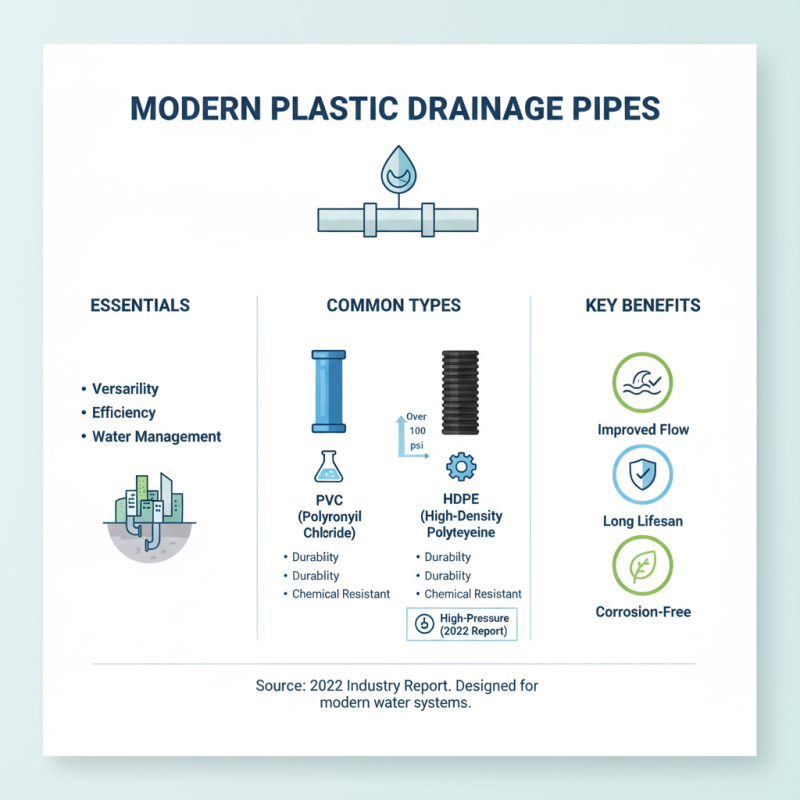
Plastic drainage pipes have become essential in modern water management systems. These pipes offer versatility and efficiency in various applications. HDPE (High-Density Polyethylene) and PVC (Polyvinyl Chloride) are commonly used due to their durability and resistance to chemicals. According to a 2022 industry report, HDPE pipes can withstand well over 100 psi, making them ideal for high-pressure situations.
Proper installation of these pipes is crucial. Misalignment or improper joining can lead to leaks, which can compromise the entire system. In fact, the same report highlighted that poor installation practices account for 30% of drainage issues. It’s important to pay attention to details during this process to avoid future problems.
Additionally, while plastic pipes are lightweight and easy to transport, their environmental impact deserves reflection. Recycling rates for these materials remain low, with only 9% of plastics being recycled effectively. This calls for innovation in both manufacturing processes and end-of-life solutions. As the industry evolves, finding a balance between efficiency and sustainability should be a priority.
Key Factors to Consider When Choosing Plastic Drainage Pipes
Choosing the right plastic drainage pipe is crucial for effective water management. One key factor is material. PVC and HDPE are popular choices. They have different properties that affect durability and flexibility. Make sure to consider the environment where they will be placed. For instance, heavy clay soil may need a robust option.
Another important aspect is pipe diameter. Selecting the correct size can impact water flow significantly. Too small pipes can cause blockages. On the other hand, excessively large pipes can lead to increased costs without added benefits. Think about the volume of water you expect to manage.
Don’t overlook installation methods. Some pipes are easier to install than others. Trenchless installation may be an option, but it requires specialized tools. Reflect on the expertise available for the project. If you're unsure about your options, seeking professional advice might save time and money in the long run. Remember, poor choices can lead to expensive repairs later on.
Top Brands and Products for Plastic Drainage Solutions in 2026
When it comes to plastic drainage solutions in 2026, efficiency is key. Various options ensure better water management in both residential and commercial settings. Top brands are introducing innovative designs that prevent clogging. For instance, smooth interior surfaces enhance flow rates. Some products are lightweight, making installation easier.
Practicing sustainability is also crucial. Many options are made from recycled materials. It’s a good step toward reducing environmental impact. However, not all products are equal in quality. Some may warp over time or fail under extreme conditions. Users must be aware of this when choosing their drainage systems.
Testing different types can reveal performance differences. Some easy-to-install models are not always the best for heavy rainfall. It is worthwhile to compare specifications. Proper drainage keeps properties safe from flooding. In trying to find the best fit, attention to detail matters a lot. The right choice can make a difference.
Best Practices for Installation and Maintenance of Plastic Drainage Pipes
Installing plastic drainage pipes can greatly enhance water management in your landscape. First, ensure proper planning. Identify areas prone to water pooling. Mark the layout before digging. This helps outline the path for effective drainage.
Tips: Use a level to check the slope. A gradient of 1-2% is ideal.
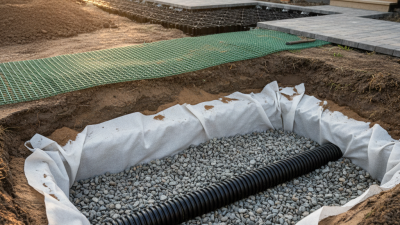
When installing the pipes, use enough gravel as a base. This provides stability and aids in water flow. Pay attention to joint connections. Incorrect joints can lead to leaks. Monitoring these details is crucial.
Tips: Regular inspections can prevent major issues later.
Maintenance is key. Clean the pipes regularly. Remove debris and sediment to ensure efficient flow. Also, check for clogs or breaks after heavy rain. Reflect on the system's performance. Improvement is always possible.