2026 Top Trends in Siphonic Pipe Technology What to Expect?
The Siphonic Pipe technology is gaining significant traction in the construction industry. Recent reports indicate that the global market for Siphonic drainage systems is projected to reach $2.5 billion by 2026, reflecting a CAGR of 12%. As urbanization increases, traditional drainage methods face limitations. Siphonic Pipe systems offer efficient water management solutions, addressing these challenges effectively.
One of the top trends is the growing focus on sustainability. Siphonic Pipes reduce the need for large storage tanks, thereby minimizing environmental impact. An increasing number of municipalities are adopting these systems to enhance stormwater management. However, the implementation of Siphonic technology isn't without challenges. Issues around maintenance and system compatibility with older infrastructures need careful consideration.
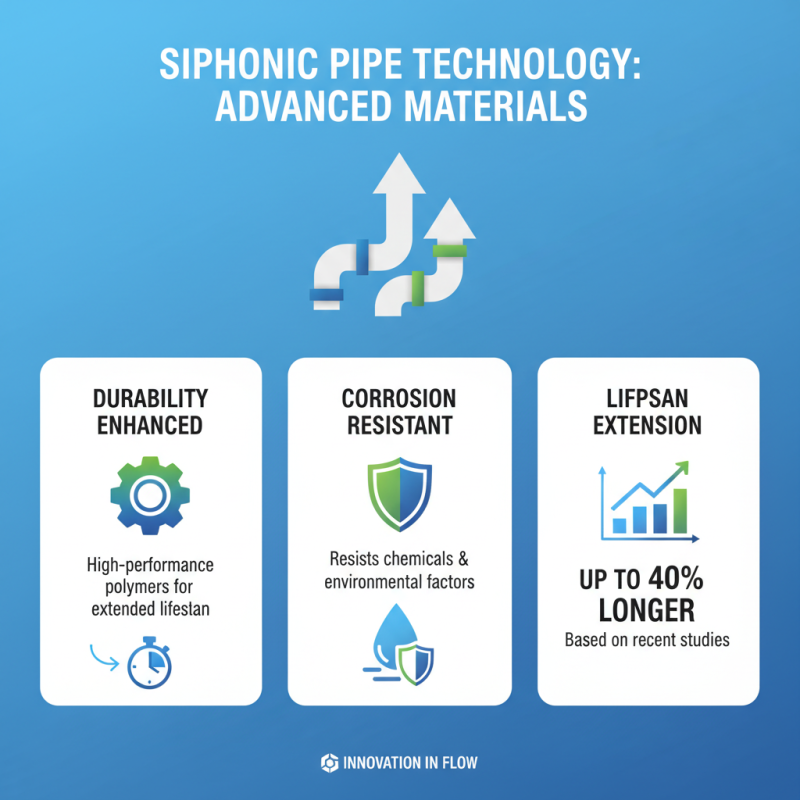
Innovation in materials and designs is another focal point. The rise of advanced polymers enhances durability and resistance. Industry reports emphasize the need for ongoing research to improve system efficiency. As these trends unfold, stakeholders must critically evaluate both the benefits and drawbacks of Siphonic Pipe technology. Balancing innovation with practical application remains a key consideration as we move toward 2026.

Emergence of Siphonic Pipe Technology in Modern Construction
The emergence of siphonic pipe technology marks a significant shift in modern construction. This innovative system uses negative pressure to facilitate efficient rainwater drainage. Unlike traditional methods, siphonic pipes can transport large volumes of water through smaller diameters. This reduces the need for extensive above-ground infrastructure. However, this approach is not without its challenges.
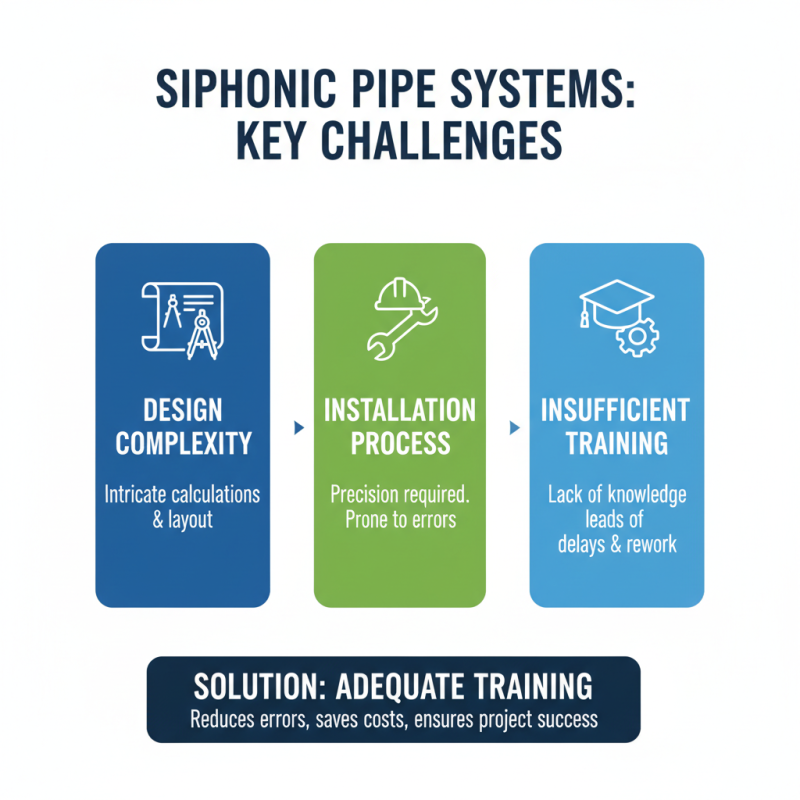
That said, there are concerns surrounding siphonic systems. Improper installation can lead to clogs and performance issues. Additionally, maintenance can be more complex than with conventional drainage. Engineers need to consider these factors carefully. It’s essential to balance the benefits with potential drawbacks.
As this technology continues to evolve, more builders will adopt it. The integration of siphonic pipes into green building practices is crucial. This technology can help manage stormwater efficiently while enhancing sustainability. Yet, ongoing education and adaptation are necessary for successful implementation in real-world projects.
2026 Top Trends in Siphonic Pipe Technology
| Trend |
Description |
Expected Impact |
Adoption Rate (%) |
| Integration with Smart Building Systems |
Utilizing IoT sensors to monitor flow and blockages in real-time. |
Improved maintenance efficiency and reduced downtime. |
75% |
| Sustainability and Eco-friendly Materials |
Use of recycled and sustainable materials in pipe manufacturing. |
Reduced environmental footprint of construction projects. |
60% |
| Advanced Drainage Solutions |
Implementation of siphonic drainage systems for faster and more efficient water flow. |
Decreased risk of flooding in urban areas. |
70% |
| Modular Construction Techniques |
Use of prefabricated modules that integrate siphonic systems for quick installation. |
Reduced construction time and labor costs. |
65% |
| Regulations and Standards Enhancement |
Development of updated codes for the installation of siphonic drainage systems. |
Increased safety and reliability in building designs. |
80% |
Key Innovations Driving Siphonic Pipe Design and Efficiency
Siphonic pipe technology is advancing rapidly. One significant innovation is the use of advanced materials. These materials enhance durability and resistance to corrosion. For instance, studies show that high-performance polymers can extend the lifespan of siphonic systems by up to 40%. This is important for maintaining system integrity over time.
Another key innovation is the design efficiency of siphonic systems. Improved algorithms for hydraulic modeling are optimizing flow rates. This results in reduced water buildup and enhanced drainage capabilities. Reports indicate that effective siphonic systems can handle up to 50% more water than traditional gravity systems in certain scenarios. However, calculations can be complex, and miscalculations may lead to suboptimal performance.
Additionally, integration with smart technology is growing. Sensors can now monitor system performance in real time. This can help identify potential blockages or inefficiencies. Yet, reliance on technology introduces new challenges such as cybersecurity threats. The balance between innovation and security remains a crucial area for development in siphonic systems.
Impact of Sustainability on Siphonic Pipe System Development
The focus on sustainability is reshaping the development of siphonic pipe systems. In recent years, the global construction industry has faced increasing pressure to adopt eco-friendly practices. Siphonic systems are gaining traction due to their efficiency. According to a market report, the adoption of siphonic drainage can lead to a 30% reduction in water usage.
Siphonic systems utilize gravity and siphonic action for efficient water flow. This design minimizes the surface area needed for drainage. As a result, less material is required for installation. This social shift towards sustainable practices prompts innovative designs in siphonic technology. Industry experts predict that by 2026, at least 50% of new installations will use green materials. Yet, challenges remain. Proper maintenance and public understanding of these systems are often lacking.
The evolution of siphonic technology reflects a growing awareness of environmental impacts. However, there's a long way to go. Stakeholders must encourage education on these systems. Sustainable practices are a journey, not a destination. Balancing efficiency and eco-friendliness requires constant reflection. We need to ask ourselves how to improve.
2026 Top Trends in Siphonic Pipe Technology
Forecasting Market Trends for Siphonic Pipe Applications in 2026
The market for siphonic pipe systems is poised for significant growth by 2026. Recent reports indicate that demand for these systems is projected to increase by over 15% annually. This rise is driven by the need for efficient stormwater management solutions. Siphonic systems effectively reduce the risk of flooding in urban areas. They can handle large volumes of water while minimizing environmental impact.
Data from industry studies show that the construction sector is the largest adopter of siphonic technologies. Rising urbanization trends contribute to the need for effective drainage solutions. Many cities are reevaluating outdated systems, recognizing the importance of innovation. However, challenges persist. Not all engineers are familiar with siphonic design principles, which can lead to implementation errors. Miscalculations can also result in system inefficiencies.
Sustainability plays a crucial role in shaping market trends. Eco-friendly materials are being favored in new siphonic designs. Some reports suggest a potential shift towards more biodegradable options. Yet, these innovations require rigorous testing to ensure performance and durability. As these systems evolve, collaboration among engineers and environmentalists will be vital. Exploring this synergy may unlock new potentials for urban infrastructure.