Top 10 Benefits of Using Clay Drainage Tiles for Your Property?
Clay Drainage Tiles have become a popular solution for property drainage issues. According to a report by the Agricultural Drainage Association, nearly 30% of agricultural land suffers from waterlogged conditions. This problem can diminish crop yields significantly. Implementing Clay Drainage Tiles can drastically improve soil health and boost overall productivity.
These tiles promote efficient water management. They help to mitigate excess moisture, preventing soil erosion and nutrient leaching. Studies show that properties with adequate drainage systems can increase property value by up to 20%. However, the installation process must be considered. A poor installation may lead to recurring drainage problems.
Using Clay Drainage Tiles is not without its challenges. Property owners must assess soil types and water flow patterns. Misjudgment in tile placement can create future issues. While benefits are undeniable, thoughtful planning is critical for success. In the end, Clay Drainage Tiles can transform your property.
Advantages of Clay Drainage Tiles for Soil Health Improvement
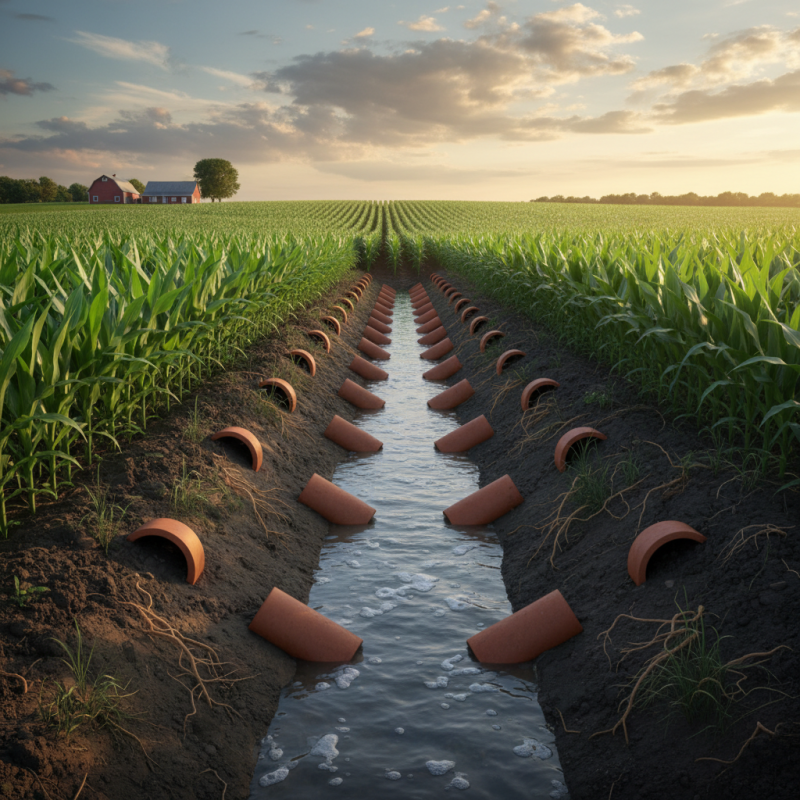
Clay drainage tiles play a crucial role in enhancing soil health. These tiles efficiently remove excess water, preventing soil saturation. This process significantly improves the soil's structure and aeration. Better aeration promotes the growth of healthy root systems in plants. When roots breathe well, they absorb nutrients more effectively, leading to thriving crops.
Furthermore, clay tiles support nutrient distribution throughout the soil. They help retain essential minerals while allowing excess water to drain. This balance contributes to a more sustainable environment for plants. The ability of clay to hold nutrients means less reliance on chemical fertilizers. This natural approach can result in healthier soils over time.
However, not all properties may benefit equally. Some soils have unique drainage needs. It's essential to assess specific site conditions before installation. Improper placement can lead to poor drainage or localized flooding. Thus, careful planning and evaluation are key to maximizing the benefits of clay drainage tiles.
Top 10 Benefits of Using Clay Drainage Tiles for Your Property
| Benefit |
Description |
Impact on Soil Health |
| Improved Drainage |
Enhances water movement, reducing soil saturation. |
Prevents root rot and supports healthy plant growth. |
| Soil Aeration |
Facilitates air exchange in the soil. |
Encourages beneficial microbes and earthworms. |
| Nutrient Retention |
Helps maintain the balance of nutrients in the soil. |
Supports optimal growth for various crops. |
| Erosion Control |
Reduces water runoff and soil erosion. |
Protects topsoil and maintains fertility. |
| Pest Management |
Minimizes conditions favorable for pests. |
Leads to healthier plants and reduced pest pressure. |
| Increased Crop Yield |
Supports higher production rates in agricultural settings. |
Improved soil conditions directly correlate with yield. |
| Environmentally Friendly |
Natural materials that promote sustainability. |
Enhances ecological balance in farming systems. |
| Long-lasting Durability |
Resistant to breakage and degradation over time. |
Provides consistent benefits for many years. |
| Cost-effectiveness |
Reduces the need for chemical interventions. |
Long-term savings and healthier soil. |
| Water Conservation |
Helps manage excess water efficiently. |
Maintains adequate moisture levels for crops. |
Enhancing Water Management with Clay Drainage Tiles
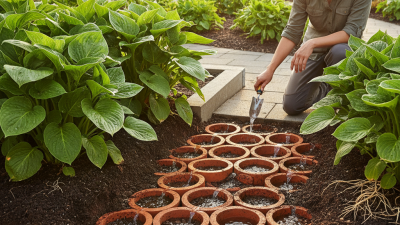
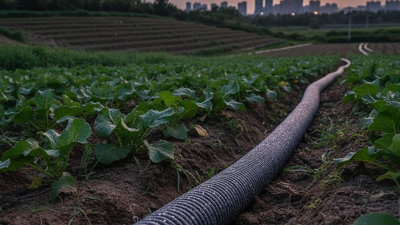
Clay drainage tiles offer significant benefits for water management on your property. These tiles, made from natural clay, excel at directing and managing water flow. They effectively reduce surface water accumulation and help prevent soil erosion. This can safeguard your landscaping and lead to healthier plant growth.
One of the key advantages of clay drainage tiles is their longevity. They can withstand various weather conditions and require minimal maintenance. This durability is crucial in regions with heavy rainfall. However, their installation might be labor-intensive. It is vital to ensure the proper placement for optimal results. Many homeowners underestimate the importance of this step, which could lead to ineffective drainage.
Using clay drainage tiles can also enhance soil structure. They promote better aeration and absorption of nutrients, which benefits crops and gardens. However, they may not be suitable for every property. The local soil type and climate should be considered. Misjudging these factors could lead to inconsistent results, prompting landowners to rethink their drainage strategy.
Durability and Longevity of Clay Drainage Tiles Explained
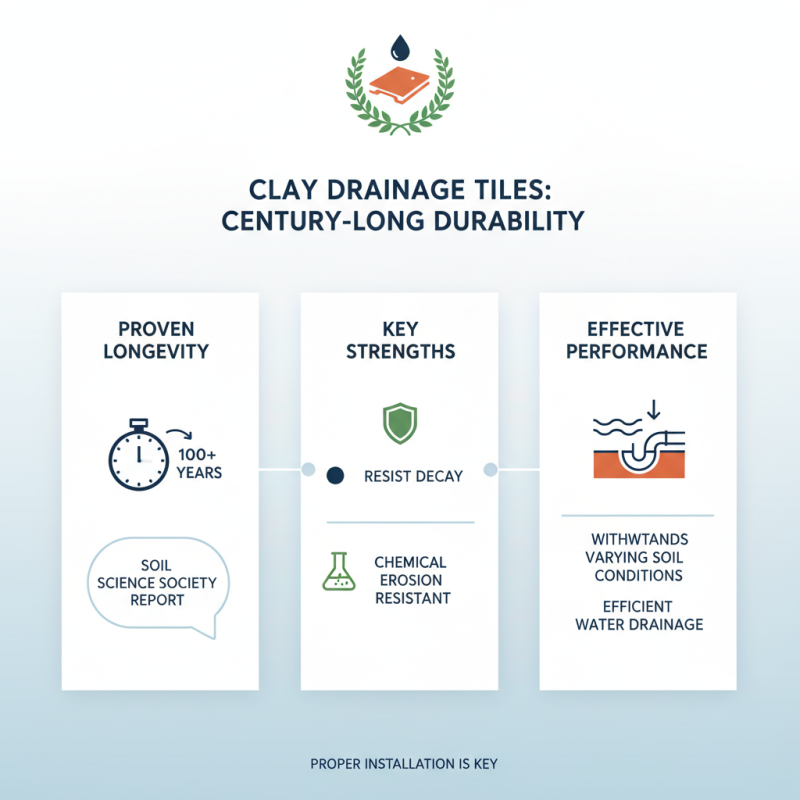
Clay drainage tiles have a long track record for durability. According to a report from the Soil Science Society, clay materials can last over 100 years when installed properly. This longevity is largely due to their resistance to decay and chemical erosion. They withstand varying soil conditions and remain effective in draining excess water.
Moreover, clay tiles help maintain soil structure over time. Unlike plastic alternatives, clay doesn’t leach chemicals into the soil. Their natural composition preserves the integrity of the land. Statistics from the National Resources Conservation Service show that clay tiles can reduce surface runoff by up to 50%. This leads to better water management in agricultural lands.
Despite these benefits, there can be challenges. Installation requires specialized knowledge. Misplaced tiles can lead to ineffective drainage. Additionally, initial costs can be higher than other materials. This can deter some property owners. Overall, while clay drainage tiles offer significant advantages, careful planning and installation are essential for maximizing their benefits.
Cost-Effectiveness of Installing Clay Drainage Tiles
Installing clay drainage tiles is a cost-effective solution for many property owners. These tiles can significantly reduce waterlogging on your property. A report from the American Society of Agronomy states that proper drainage can increase crop yields by up to 20%. This improvement can translate to increased revenue, especially for farmers.
The initial investment in clay tiles can be recouped quickly. Compared to other drainage solutions, clay tiles often last longer without needing significant maintenance. According to the USDA, properties with effective drainage systems can save up to 30% on maintenance costs over time. A study highlighted that maintaining healthy soil moisture levels directly impacts productivity.
Yet, not every installation is perfect. Some property owners may overlook proper placement and spacing of the tiles, leading to ineffective drainage. It's essential to assess your specific land conditions before installation. The idea is to maximize efficiency while minimizing unnecessary expenditures. Understanding the unique aspects of your property is crucial for making informed decisions.
Environmental Benefits of Using Clay Drainage Tiles for Agriculture
Clay drainage tiles offer many environmental benefits for agricultural properties. These tiles improve soil structure, allowing water to drain more effectively. This helps prevent waterlogging, which can harm crop roots. Healthy roots lead to better crop yields.
Using clay tiles can also minimize soil erosion. When water drains efficiently, the risk of runoff decreases. This helps keep valuable topsoil in place, crucial for sustainable farming.
Farmers often see an increase in soil fertility when they use these tiles.
Tips: Regularly check your drainage system for blockages. Small adjustments can prevent larger issues. Ensure proper installation depth for optimal results.
Here’s a thought: sometimes, we overlook minor issues that can have significant impacts. Investing time in maintenance may seem tedious, but it pays off in healthier crops.