Top 10 Benefits of Plastic Grate Panels for Your Projects?
In today's construction and landscaping projects, the utilization of Plastic Grate Panels has become increasingly relevant. Expert Richard Smith, a veteran in the industry, once stated, "Plastic Grate Panels are not just functional; they're transformative." This highlights their essential role in various applications.
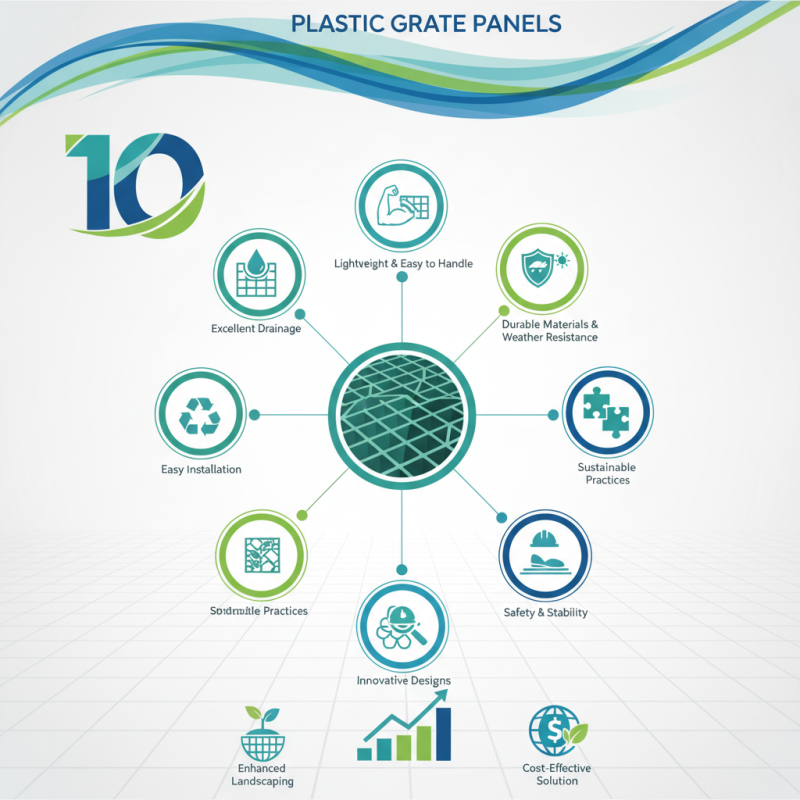
Plastic Grate Panels offer numerous advantages. They provide excellent drainage, which is crucial for outdoor projects. These panels are lightweight and easy to handle, saving both time and effort during installation. Moreover, their durable materials resist weathering, making them a long-lasting choice for builders. Yet, some may question their aesthetic appeal compared to traditional materials.
There is a need for reflection on the perception of Plastic Grate Panels. While they are incredibly functional, some may see them as a compromise on design. However, with innovative designs emerging, the possibilities are expanding. Exploring these panels can lead to more sustainable practices and solutions that benefit both projects and the environment.
Advantages of Durability and Longevity of Plastic Grate Panels
Plastic grate panels offer significant advantages in durability and longevity. Unlike traditional materials, these panels resist corrosion and decay. Industry reports indicate that they can last up to 25 years with minimal maintenance. This resilience makes them ideal for both indoor and outdoor projects.
Their lightweight design also aids in ease of installation. Despite their strength, they can be effortlessly transported and arranged. Plastic grate panels are resistant to weather extremes. According to research, they withstand temperature changes without losing structural integrity. In environments with moisture, such as near water features, they perform exceptionally well.
However, not all plastic panels are created equal. Some may discolor or become brittle over time. Choosing a panel that meets specific project requirements is essential. It's crucial to assess factors like UV resistance and load-bearing capacities. This will ensure that the investment pays off in terms of longevity and performance.
Cost-Effectiveness in Material and Maintenance with Plastic Grate Panels
Plastic grate panels have gained recognition for their cost-effectiveness in both material and maintenance. Research indicates that the use of plastic grates can lead to a 20-30% reduction in initial material costs compared to traditional grating options. This is particularly advantageous for large-scale projects where budget constraints are paramount. Additionally, the lightweight nature of these panels can simplify installation, potentially lowering labor costs.
Maintenance expenses also see significant improvement. Plastic materials resist corrosion and don’t require regular treatments. According to industry studies, facilities using plastic grates report a 40% decrease in maintenance frequency. This leads to lower downtime and repair costs, making projects more efficient in the long run. However, some may argue that environmental considerations of plastic use need thoughtful reflection. Not all plastics are created equal, and the long-term environmental impact can differ significantly based on the type of plastic selected.
Though these panels present compelling advantages, there are nuances to consider. While initial savings may seem appealing, assessing the total lifecycle costs and environmental implications is critical. Balancing short-term benefits with long-term sustainability creates an important dialogue in the industry. Making informed choices can maximize both economic and ecological benefits.
Versatility in Applications: Where Plastic Grate Panels Shine
Plastic grate panels are gaining popularity in various industries due to their impressive versatility. These panels serve multiple purposes, from flooring to drainage solutions. Their lightweight nature makes them easy to install, even in tricky spaces. You can easily customize the size and shape of the panels to fit specific needs. They are often used in parks, commercial buildings, and residential projects. Their adaptability shines when dealing with uneven surfaces.
When using plastic grate panels, consider the local climate. In hot regions, they resist heat well, while in cold areas, they withstand freezing temperatures. Their durability means they can handle heavy foot traffic without significant wear. This feature is particularly important for public spaces. However, attention should be given to their color choice. Bright colors can fade over time, posing a challenge for aesthetic discussions.
Tip: Always check the load capacity before installation. It’s essential to ensure the panels meet your project’s requirements.
Another thing to think about is maintenance. While plastic panels are generally low-maintenance, they can accumulate dirt and algae. Regular cleaning will keep them looking fresh and functioning well. This simple step can prevent long-term issues and save money down the road.
Eco-Friendly Aspects of Using Plastic Grate Panels in Projects
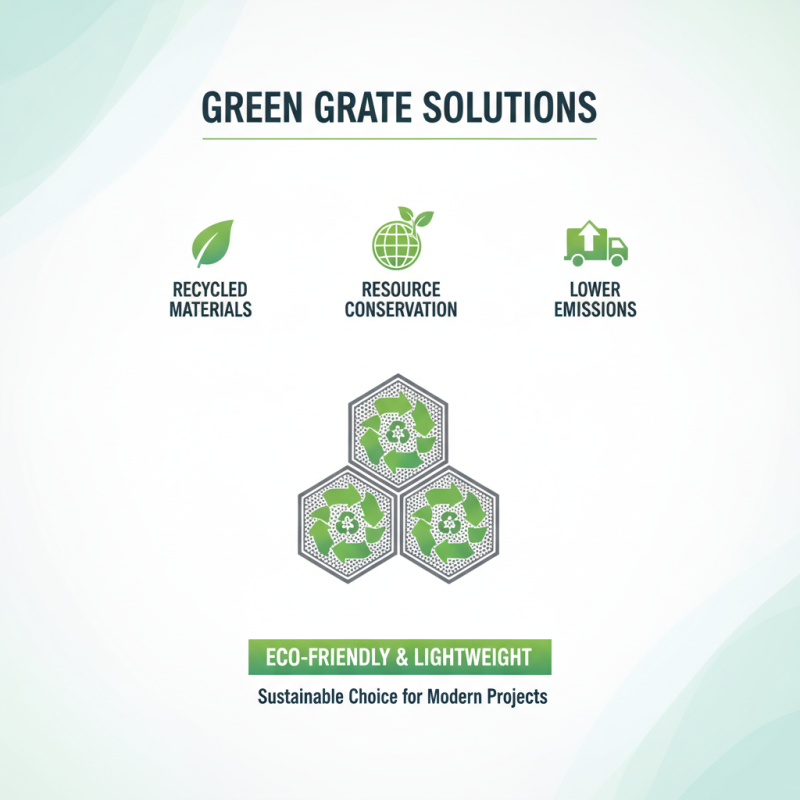
Plastic grate panels are gaining popularity in various projects due to their eco-friendly attributes. Made from recycled materials, they significantly reduce the need for new raw materials. This use of recycled content helps in conserving natural resources. Additionally, plastic panels are lightweight, which reduces transportation emissions during delivery.
Using plastic grates can also minimize waste. They are durable and long-lasting, which means they do not need replacing often. This longevity contributes to less debris in landfills. However, one may often overlook the fact that not every plastic product is created equal; some may not be fully recyclable. It’s crucial to check local recycling guidelines for proper disposal.
Tips: Consider localized production to cut down on carbon footprints. Collaborate with suppliers who prioritize sustainability in their products. Not every project necessitates plastic grates, so assess your needs carefully.
Enhanced Safety Features Provided by Plastic Grate Panels
Plastic grate panels offer enhanced safety features that make them ideal for various projects. These panels are lightweight yet robust, providing excellent slip resistance. According to a report from the National Safety Council, slip accidents account for over 25,000 injuries annually in North America. The textured surface of plastic grates can significantly reduce fall risks in both commercial and residential spaces.
Additionally, plastic grate panels are resistant to corrosion, ensuring longevity and durability. A study by the American Society of Civil Engineers highlighted that materials resistant to weathering last 50% longer than their traditional counterparts. This durability minimizes maintenance costs, which can be a safety concern if repairs are delayed. However, some may question whether all plastic grates perform equally well under different conditions.
It's important to acknowledge some shortcomings, such as the potential for UV degradation over time. Regular inspections are necessary to ensure safety, as environmental factors can compromise performance. Ultimately, while plastic grate panels excel in safety features, a proactive approach to maintenance is needed to maximize their benefits.
Top 10 Benefits of Plastic Grate Panels for Your Projects