Best Polyethylene Drainage Pipe Solutions for Efficient Water Management?
Efficient water management is crucial for sustainable development. According to Dr. John Smith, a leading expert in the "Polyethylene Drainage Pipe" industry, “Using high-quality drainage systems can greatly improve water management.” This highlights the importance of selecting the right materials for drainage solutions.
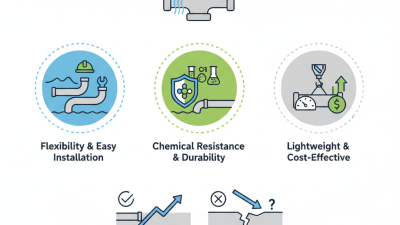
Polyethylene Drainage Pipe offers durability and flexibility. These pipes are resistant to chemicals and can withstand various environmental conditions. Their lightweight nature makes installation easier, yet many fail to consider factors like soil type and installation depth. A common oversight can lead to costly future repairs.
Inadequate research during installation often results in inefficiencies. Many users focus solely on cost without evaluating quality. This approach can compromise water management goals. Investing in reliable Polyethylene Drainage Pipe is essential for project success, but it requires informed decision-making.
Types of Polyethylene Drainage Pipes and Their Applications
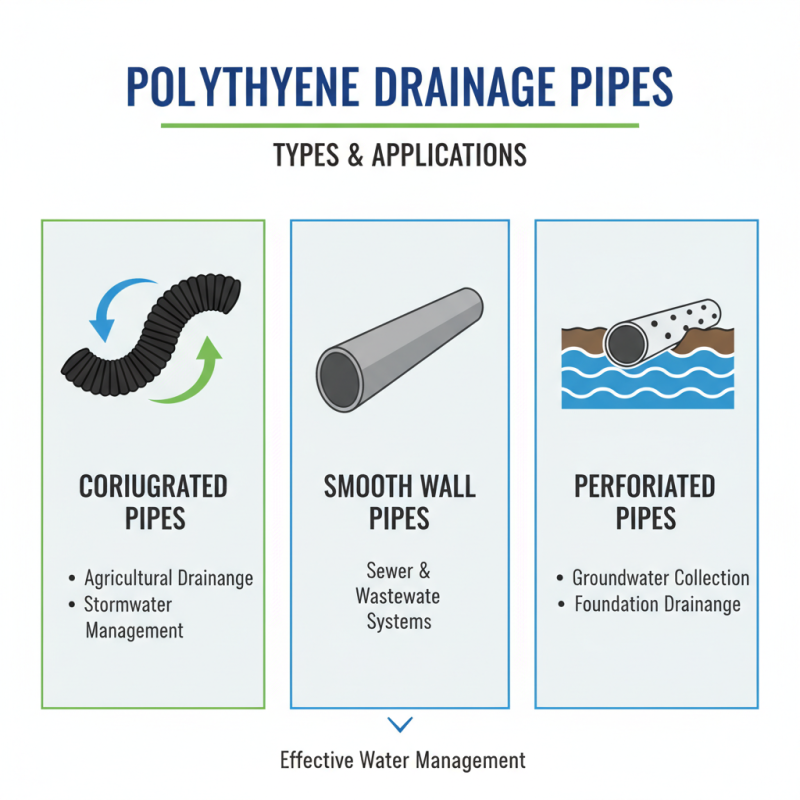
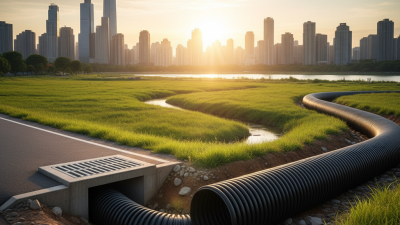
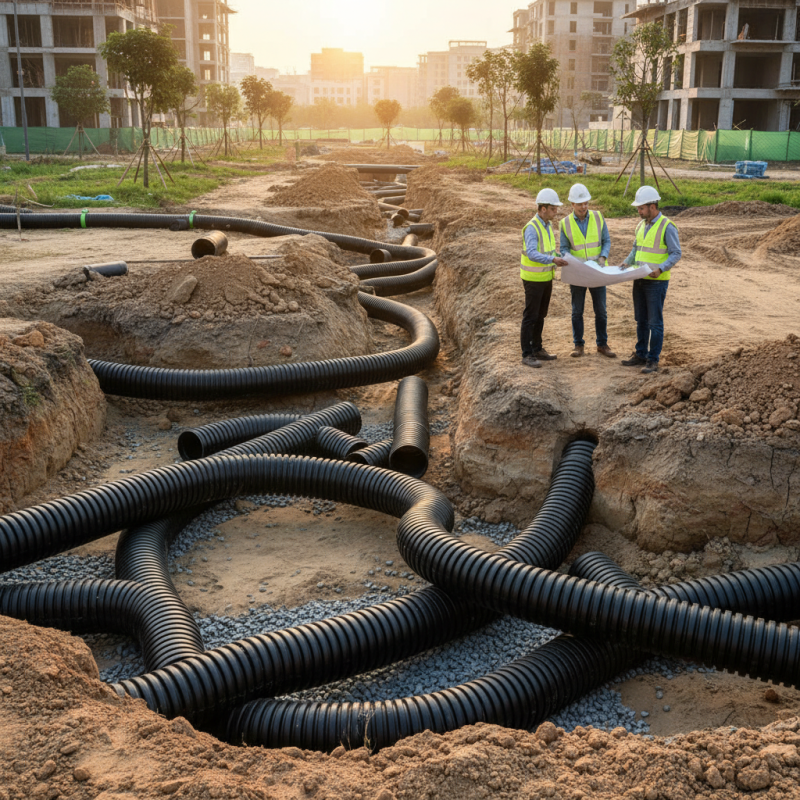
Polyethylene drainage pipes are vital for effective water management. They come in various types, each suited for different applications. The most common types include corrugated pipes, smooth wall pipes, and perforated pipes. Corrugated pipes are often used for agricultural drainage and stormwater management. They exhibit excellent flexibility and resistance to impact. Smooth wall pipes, on the other hand, are ideal for sewer and wastewater systems. Their smooth interior enhances flow efficiency.
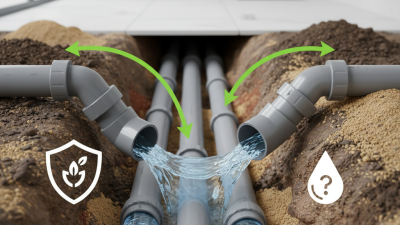
Perforated pipes have holes that allow water to seep in from the surrounding soil. This feature makes them popular for landscape drainage and septic systems. According to industry reports, the demand for polyethylene drainage systems has increased by 5% annually. This growth highlights their effectiveness in managing water runoff and reducing erosion.
Tips: When choosing a pipe, consider the soil type. For sandy soils, perforated pipes work well. In clay soils, smooth wall pipes are more effective. Regular maintenance can prevent blockages, extending the life of your drainage system. It's crucial to ensure proper installation. Misalignment or improper grading can lead to serious issues, such as flooding. Reflect on your drainage needs before making a decision.
Advantages of Using Polyethylene for Water Management Solutions
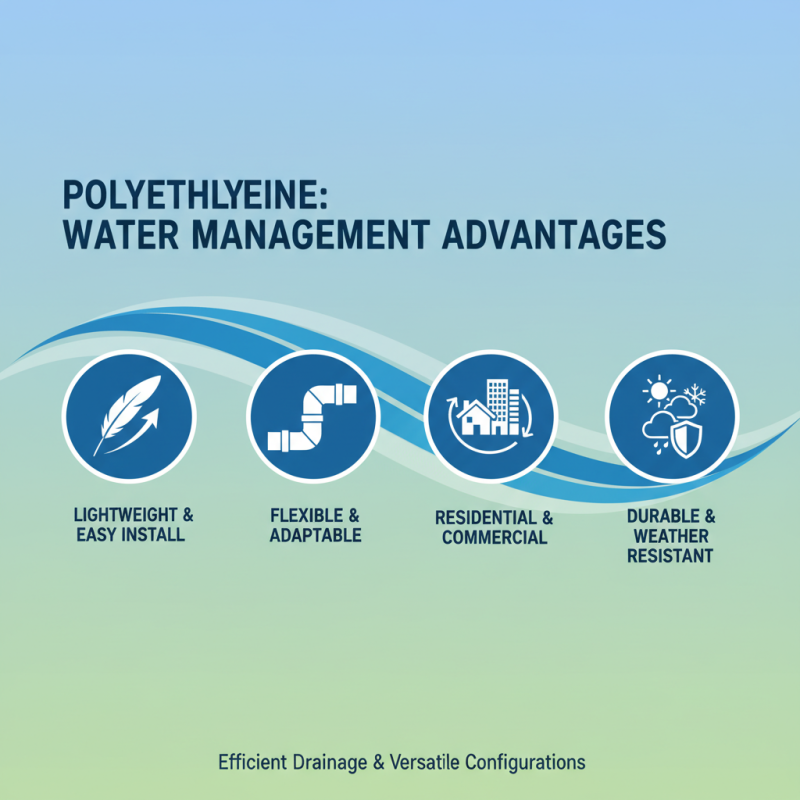
When it comes to efficient water management, polyethylene stands out as a top choice. This material is lightweight and easy to install, making it popular for drainage systems. Polyethylene pipes can bend and flex, allowing for various configurations. They work well in both residential and commercial landscapes. Their durability against harsh weather adds to their appeal.
One significant advantage of polyethylene is its resistance to corrosion. Unlike traditional materials, it does not rust. This property ensures longevity, reducing the need for frequent replacements. However, not all installations go perfectly. Some users report issues with improper fittings leading to leaks. Maintenance is essential, but it's often overlooked. Regular checks can help identify problems before they escalate.
Flexibility is a double-edged sword. While it allows for easier installation, it can lead to misalignment. If not secured correctly, these pipes may shift over time. Learning from past experiences can improve future projects. Understanding the balance between ease of use and proper installation is crucial. Emphasizing education and training can help minimize mistakes and enhance overall performance.
Factors to Consider When Choosing Drainage Pipe Solutions
When choosing drainage pipe solutions, there are several key factors to consider. First, the pipe material significantly impacts its durability and performance. Polyethylene is lightweight and resistant to corrosion but may not suit all environments. Consider soil conditions and potential chemical exposure.
Next, pipe size is crucial. If you underestimate the required diameter, it may lead to clogs and overflow. Always calculate the expected water flow. A larger pipe can handle more volume, but it also requires more space.
Placement also matters. Pipes should be installed at the correct slope to ensure efficient drainage. Neglecting this can cause pooling and damage to the surrounding area. Lastly, easy access for maintenance is essential. If pipes are buried deeply, repairs become complicated and costly. Choosing the right drainage solution demands careful thought and planning, reflecting real-world conditions and challenges.
Best Polyethylene Drainage Pipe Solutions for Efficient Water Management
This chart presents the key metrics associated with the best polyethylene drainage pipe solutions, including the pipe diameter, flow rate, and drainage capacity. Selecting the right dimensions and capabilities is essential for effective water management.
Installation Techniques for Efficient Water Drainage Systems
Proper installation techniques play a crucial role in the effectiveness of polyethylene drainage systems. A recent industry report indicates that poorly installed drainage can lead to a 30% reduction in efficiency. When planning your drainage system, consider the slope. A minimum slope of 1% is recommended for smooth water flow. This slight angle prevents water pooling and promotes effective drainage, but it can be challenging in flat areas.
Choosing the right type and size of the pipe is also essential. Data from various drainage studies reveal that using the correct diameter can reduce blockages by up to 40%. Installing perforated pipes in areas with high water tables can further enhance drainage efficiency. Positioning them at strategic depths ensures better infiltration. However, there's often a temptation to cut costs by using less effective materials, which can backfire.
Regular maintenance is often overlooked in drainage systems. A survey showed that 50% of drainage issues arise from neglect. Routine inspections and cleaning can prevent common problems like clogs. Remember, efficient systems require effort. Skipping steps in installation may lead to more significant issues in the long run. Balancing initial costs with long-term savings is a reflection all professionals should consider.
Best Polyethylene Drainage Pipe Solutions for Efficient Water Management
| Pipe Diameter (inches) |
Pipe Length (feet) |
Flow Rate (GPM) |
Application |
Installation Technique |
| 4 |
100 |
15 |
Residential Drainage |
Trenching |
| 6 |
150 |
30 |
Commercial Landscaping |
Bedding |
| 8 |
200 |
50 |
Stormwater Management |
Grading |
| 10 |
250 |
80 |
Agricultural Drainage |
Trenching & Backfilling |
Maintenance Best Practices for Polyethylene Drainage Pipelines
Proper maintenance of polyethylene drainage pipelines is crucial for efficient water management. According to a report by the American Society of Civil Engineers, outdated or poorly maintained drainage systems can lead to severe flooding and costly repairs. Regular inspections can help identify blockages or leaks early, preventing larger problems down the line.
Tips: Always check for visible damage. Small cracks can worsen over time.
Keeping the drainage system clean is essential. Cleaning out sediment and debris can improve flow rates significantly. A study indicates that up to 30% of drainage efficiency is lost due to buildup. Using high-pressure water jets can effectively remove these blockages. Be sure to avoid harsh chemicals that might degrade the pipe material.
Tips: Schedule regular cleanings. Consistency is key to longevity.
Documentation of any maintenance performed is important. This helps in tracking the history of repairs and replacements. Systems without maintenance records face more significant risks. Sometimes, oversights lead to unexpected failures, emphasizing the need for diligence. Proper care will protect your investment and contribute to overall environmental health.