10 Best Roofing Drains for Effective Water Management?
When it comes to effective water management, the importance of reliable roofing drains cannot be overstated. Expert Mark Thompson, a consultant in the roofing industry, emphasizes, “Quality roofing drains are crucial for preventing water buildup.” This quote highlights a reality many often overlook.
Roofing drains are essential for maintaining a building's integrity. They help ensure that rainwater is efficiently channeled away from the roof surface. Without proper drainage, issues such as leaks and structural damage can arise. Some property owners might neglect their drainage systems until a problem emerges. This negligence can lead to costly repairs and safety risks.
Effective roofing drains can also improve a building’s lifespan. Choosing the right materials and designs makes an enormous difference. However, not all drains perform equally well. It’s vital to recognize the intricacies of each type and evaluate them based on specific needs. This demands careful research, yet many rush through the selection process. Investing time in understanding roofing drains can save significant headaches in the future.
Overview of Roofing Drains and Their Importance in Water Management
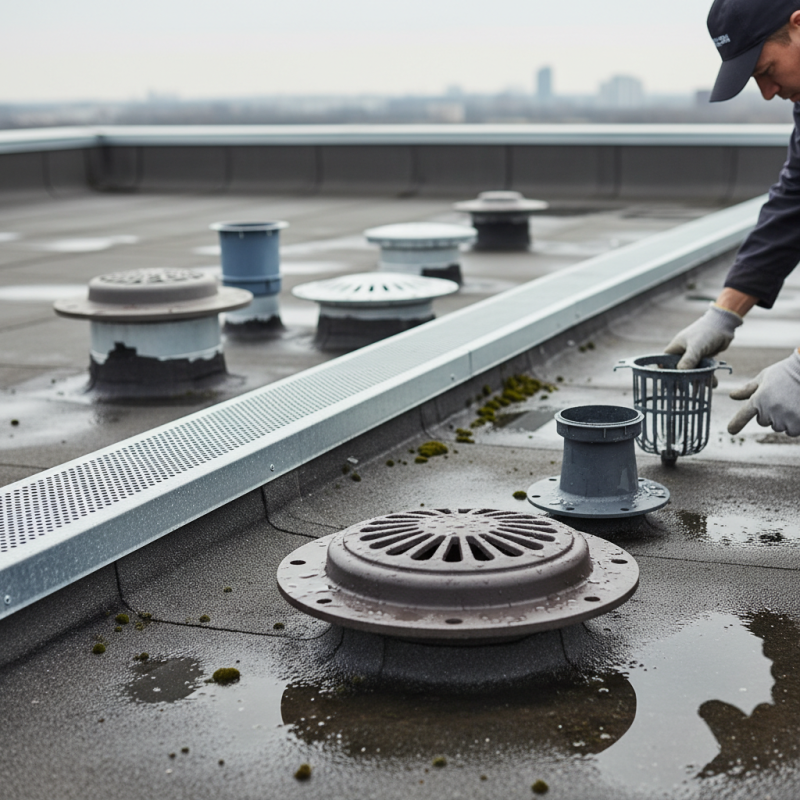
Roofing drains play a crucial role in effective water management. Proper drainage prevents moisture buildup on roofs. This can cause structural damage over time. Water pooling on a roof can lead to leaks. Regular maintenance of these drains is essential to avoid such issues.
The importance of roofing drains cannot be overstated. They help channel water away from the roof surface. In heavy rain, this system becomes vital. Neglecting drains can lead to complicated repairs later. Maintenance is often overlooked but highly necessary. Inspecting for blockages should be routine.
Many buildings suffer due to ineffective water management. It is common to see clogged or broken drains. A simple inspection can save a lot of trouble. Remember, the cost of prevention is often less than the cost of repairs. Investing time in these systems benefits everyone in the long run. Proper drainage systems not only maintain the roof but enhance the building’s longevity.
10 Best Roofing Drains for Effective Water Management
| Drain Model |
Material |
Suitable Roof Types |
Flow Rate (GPM) |
Weight (lbs) |
Price Range (USD) |
| Standard Roof Drain |
PVC |
Flat Roofs |
40 |
5 |
$100 - $150 |
| Heavy-Duty Roof Drain |
Cast Iron |
Sloped Roofs |
50 |
15 |
$200 - $300 |
| Low-Profile Roof Drain |
Aluminum |
Flat Roofs |
30 |
3 |
$80 - $120 |
| Overflow Roof Drain |
Stainless Steel |
Flat/Sloped Roofs |
60 |
10 |
$250 - $400 |
| Roof Scupper |
Copper |
Flat Roofs |
45 |
7 |
$150 - $250 |
Types of Roofing Drains: A Comparative Analysis
When selecting roofing drains, it's essential to understand the various types available. Each type plays a significant role in effective water management. For instance, scupper drains are typically found on flat roofs. They direct rainwater into external pipes, preventing pooling. However, they can require regular maintenance to function properly.
Another option is the internal roof drain, which channels water down to a drainage system. These drains are often integrated into the roof structure. While they can be effective, improper installation may lead to leaks. It's vital to ensure that these drains are positioned correctly.
**Tip:** Regularly inspect your roofing drains. Clear any debris or blockages that can hinder their performance.
Consider also the use of trench drains. These linear drains are placed at low points to collect water efficiently. Trench drains can handle larger volumes but may require more space. If not installed correctly, water can still accumulate.
**Tip:** Think about the climate in your area. Select a drain type that suits the average rainfall and snow levels.
Choosing the right type of roofing drain is crucial. Evaluate the layout and potential challenges. Sometimes, the best solution isn’t the most obvious one. Making the wrong choice can lead to long-term issues.
Factors to Consider When Selecting Roofing Drains
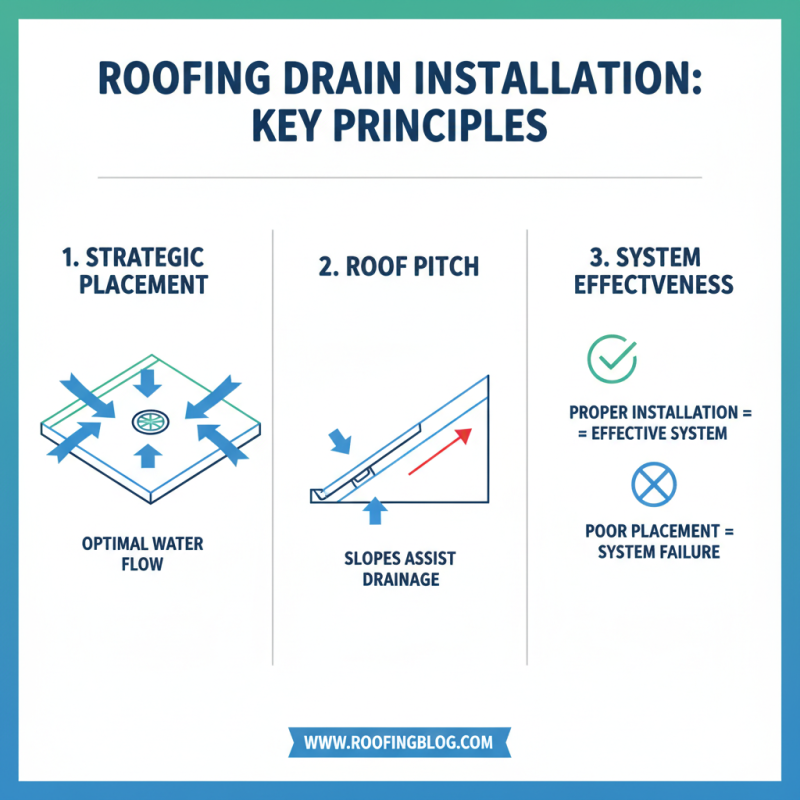
When selecting roofing drains, several factors warrant careful consideration. The size and design of the drain are vital for effective water management. A poorly sized drain can lead to stagnation, causing potential leaks or structural issues down the line. Evaluate the roof's slope and surface area. These aspects affect how quickly water moves towards the drain.
Another critical factor is the material of the drain. Some materials may corrode or degrade faster than others, particularly in harsh climates. Take the time to consider how weather conditions impact the longevity of the drain. Seeking a durable option can save money and maintenance efforts later.
**Tip:** Always look for drains with built-in debris screens. This feature can prevent clogging and ensure smooth water flow. Regular maintenance checks can also help avoid problems from occurring unexpectedly.
**Tip:** Consider the local building codes. Some areas may have specific requirements for roofing systems. Ignoring these can lead to costly renovations or fines. A little research upfront makes a big difference.
Water Management Effectiveness of Roofing Drains
Top 10 Roofing Drains for Optimal Performance and Durability
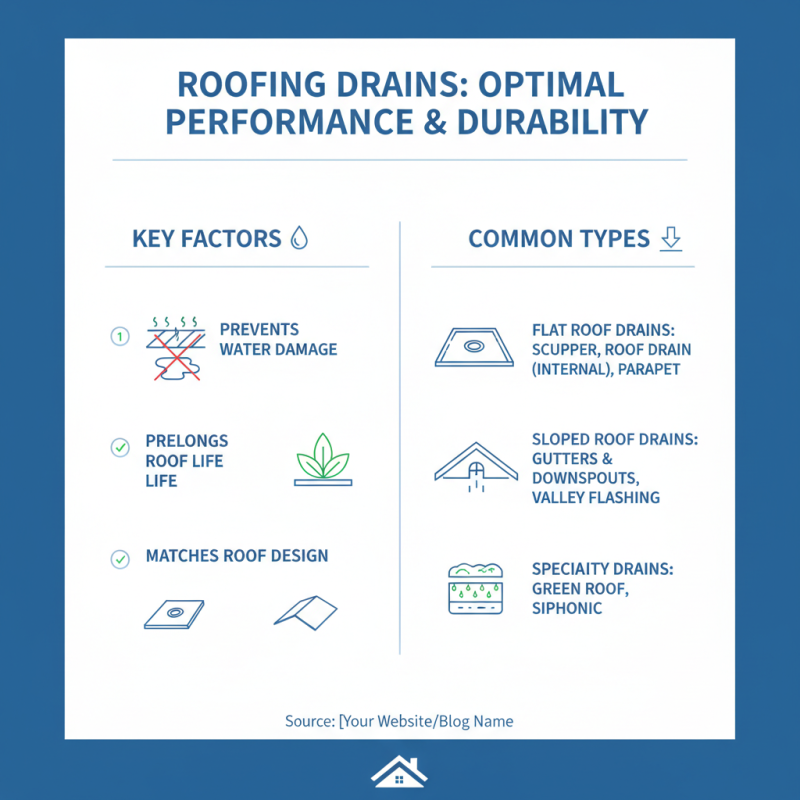
When considering the best roofing drains for optimal performance and durability, various factors come into play. Proper drainage is crucial for preventing water damage and prolonging the life of roofing systems. Many types of roofing drains are available, each with unique characteristics. Some are designed for flat roofs, while others cater to sloped surfaces. Understanding your roof's design is key.
Tip: Choose drains that match your roofing material and structure. Compatibility can improve efficiency.
Additionally, investing in quality materials cannot be overlooked. Some drains are constructed from plastic, while others use metal. The durability of these options varies significantly. A metal drain might offer longevity, but it could dent or rust over time. Conversely, plastic drains may wear down under UV rays but can be lightweight and easy to install.
Tip: Regular maintenance is vital. Check for blockages and ensure your drains are clear of debris.
Water management systems must accommodate local weather conditions. Heavy rain can overwhelm inadequate drains. Therefore, make sure your chosen drains can handle extreme weather. Factors like building location and average rainfall should influence your decision. A poor choice might lead to costly repairs down the line. Be aware of these risks when selecting your roofing drains.