What is the Best Siphonic Pipe for 2026?
The search for the best Siphonic Pipe in 2026 is more critical than ever. As urban areas grow, effective drainage systems are vital. Siphonic Pipes are essential for efficient rainwater management. They offer benefits such as reduced pipe size and cost efficiency. However, choosing the right model can be challenging.
One must consider factors like material, diameter, and installation method. Different manufacturers provide various options. Not all Siphonic Pipes are created equal. Some may perform well initially but struggle under heavy rainfall. Data on performance and reliability needs thorough review.
Moreover, environmental conditions vary widely. A Siphonic Pipe that works perfectly in one region may not suit another. It's important to understand localized needs. Regular maintenance can also influence performance. Without proper care, even the best systems may fail. As we approach 2026, the choices will likely multiply, but caution is necessary.

Overview of Siphonic Pipe Technology in 2026
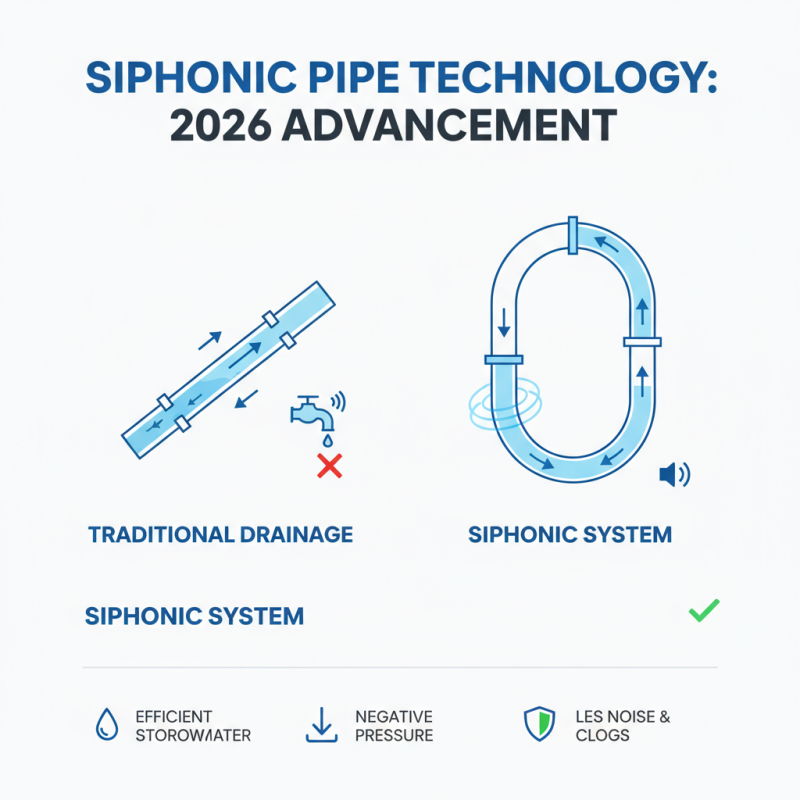
Siphonic pipe technology has seen significant advancements in 2026. These systems are designed to efficiently handle stormwater drainage. Unlike traditional methods, siphonic pipes utilize negative pressure, allowing for effective water management. This method minimizes noise and reduces the risk of blockages.
In recent developments, new materials have improved durability and flexibility. Engineers are exploring innovative designs to enhance flow rates further. Some challenges remain, particularly with installation and maintenance. Proper training for technicians is crucial to ensure optimal performance. As the industry progresses, collaboration among professionals is essential to address these issues.
Performance testing has revealed mixed results. While many installations show promise, some projects face unexpected challenges. These discrepancies highlight the importance of ongoing research and improvement. Stakeholders must remain vigilant, learning from each project to refine future designs. Embracing experimentation will lead to more resilient and efficient siphonic systems.
Key Factors to Consider When Choosing Siphonic Pipes
When selecting siphonic pipes, several key factors can significantly impact performance and efficiency. The pipe material is paramount. Materials like PVC or HDPE have distinct advantages. Durability and resistance to corrosion matter. The right choice affects long-term maintenance and costs.
Another vital aspect is the pipe diameter. A larger diameter can improve flow rates. However, oversizing may lead to pressure issues. Balancing size with design needs is crucial. Consideration of local climate should not be overlooked either. Different weather conditions can influence the pipe's operational life.
Lastly, think about the installation process. Complexity can lead to higher costs and longer timelines. A simplified design can often perform just as well. Engaging with professionals for guidance is beneficial. It's an area where careful thought can prevent future issues. Making choices without adequate reflection may cause regrets down the line.
What is the Best Siphonic Pipe for 2026? - Key Factors to Consider When Choosing Siphonic Pipes
| Pipe Material |
Diameter (mm) |
Flow Rate (L/s) |
Temperature Resistance (°C) |
Lifespan (Years) |
Maintenance Requirements |
| PVC |
100 |
5 |
60 |
50 |
Low |
| HDPE |
150 |
10 |
80 |
75 |
Medium |
| Cast Iron |
200 |
15 |
150 |
100 |
High |
| Stainless Steel |
250 |
20 |
200 |
120 |
Low |
Top Siphonic Pipe Brands and Their Features in 2026
When considering the best siphonic pipe for 2026, several brands stand out. These brands offer unique features that cater to different needs. Efficiency is a major factor. Many pipes are designed to reduce water flow, but some just don’t meet expectations. Look for those offering innovative designs to maximize performance.
The materials used play a crucial role. Lightweight options are often easier to handle but can sacrifice durability. On the other hand, heavier materials may offer longevity but could complicate installation. Balancing these factors is essential. Not all brands deliver consistently. Some may promise high performance but fail in real-world conditions.
User feedback is also vital. Many customers report issues with specific models. Problems like clogs and maintenance challenges are common. It’s essential to research and learn from others' experiences. While features may appear impressive on paper, real-life functionality can differ significantly. The journey towards finding the best siphonic pipe might demand patience and critical reflection.
Top Siphonic Pipe Brands Performance in 2026
Comparative Analysis of Siphonic Pipe Materials and Performance
Siphonic pipes play a crucial role in efficient drainage systems. Various materials like
PVC, HDPE, and even stainless steel are used. Each material has unique properties that influence performance.
For instance, PVC pipes are lightweight and cost-effective, making them a popular choice for many projects. However, they may not withstand extreme temperatures as well as their metal counterparts.
HDPE offers excellent resistance to chemicals and impacts, which is vital in certain environments. A study by the
International Association of Plumbing and Mechanical Officials (IAPMO) shows that HDPE pipes have a
20-30% longer lifespan compared to PVC under harsh conditions. Stainless steel, while more expensive, is
corrosion-resistant and provides durability.
Tip: When choosing siphonic pipes, consider the environment and chemicals they will be exposed to.
Assessing these factors can lead to a more effective drainage solution.
Performance metrics matter. Flow rates, pressure capabilities, and installation ease are critical. Some reports indicate that improperly designed siphonic systems can
reduce efficiency by up to 50%. Therefore, it's essential to evaluate both material and design aspects closely.
Tip: Conduct thorough testing during the planning phase. This can prevent costly mistakes later on.
Be prepared for adjustments to optimize flow and system performance.
Future Innovations in Siphonic Pipe Design and Functionality
The evolution of siphonic pipe design is poised for a transformative leap by 2026. Recent studies indicate a growing integration of smart technology in construction. Many experts suggest that sensors embedded in siphonic systems could enhance performance monitoring. This innovation may reduce maintenance costs and improve longevity. For instance, a report from the International Building Research Association noted that building systems utilizing intelligent sensors could increase efficiency by up to 30%.
Siphonic pipes traditionally rely on gravity flow. However, innovative designs are now exploring pressure management features. These systems can effectively handle rainwater runoff, a significant problem in urban areas. Analysis by the Rainwater Management Association suggests that modern siphonic designs can mitigate flood risks better than conventional setups. Yet, the transition to these technologies requires careful planning and adaptability from engineers.
Challenges remain. Older infrastructure may not accommodate new siphonic systems easily. Retrofitting existing designs can be complex and costly. Additionally, as technologies evolve, standards will likely lag. A report by the Construction Technology Institute warns that without clear regulations, innovations may face skepticism. This uncertainty could hinder widespread adoption of advanced siphonic pipe systems.