How to Choose the Right Drainage Plate for Your Home Needs in 2025
Choosing the right drainage plate for your home can significantly impact both the functionality and longevity of your drainage system. With an increasing number of options available on the market, homeowners find themselves faced with challenging decisions as they seek to optimize their properties in 2025. As John Whittaker, a veteran in the drainage solutions industry, aptly states, “A well-selected drainage plate can mean the difference between a dry, comfortable home and one plagued by water damage.” This insight underlines the importance of understanding the various factors involved in selecting the most suitable drainage plate for your specific needs.
In this ever-evolving landscape of home improvement and maintenance, it is crucial to be informed about the types, materials, and design considerations of drainage plates. Whether you are dealing with heavy rainfall or a simple garden drainage problem, the right drainage plate can not only enhance the overall efficiency of your drainage system but also contribute to the aesthetic appeal of your outdoor space. As we navigate through this guide, we will explore essential factors that will help you make an informed decision when choosing the perfect drainage plate for your home.

Understanding the Importance of Drainage Plates in Home Construction
Drainage plates are a crucial component in home construction, integral to managing water flow and preventing structural damage. They act as barriers that direct water away from foundations, protecting them from potential erosion and moisture intrusion. Understanding the importance of drainage plates in the design phase can significantly influence the longevity and safety of a home, particularly in areas prone to flooding or excessive rainfall.
Additionally, the proper selection and installation of drainage plates can enhance the overall functionality of a property. They help maintain soil integrity by reducing water pooling, which can lead to landscaping issues and pest problems. As homeowners become more aware of sustainable building practices, drainage plates can also play a role in responsible water management, minimizing runoff and promoting groundwater recharge. Emphasizing the importance of these elements in home construction is essential for creating resilient living spaces that stand the test of time.
Types of Drainage Plates and Their Specific Applications
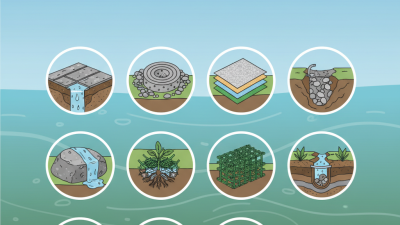
When selecting a drainage plate for your home, it’s essential to understand the various types available and their specific applications. Drainage plates can be categorized into various types, including perforated plates, solid plates, and channel drains. Perforated plates are ideal for areas where water needs to be redirected while allowing some infiltration into the surrounding soil, making them perfect for landscaped gardens or under decks. Solid plates, on the other hand, are suited for areas that require complete water redirecting, such as driveways or patios, where pooling water can cause damage.
Another popular option is channel drains, which are designed to handle larger volumes of water in driveways, parking lots, or areas prone to flooding. These drains resemble long, narrow trays that collect and direct water to an appropriate outlet, ensuring efficient drainage and reducing the risk of water accumulation.
Tips: When choosing a drainage plate, consider the specific climate and drainage needs of your area. Assess the volume of water expected, and select a plate type that can efficiently manage it. Additionally, always ensure that the installation site allows for proper grading to facilitate effective drainage, preventing any potential flooding or erosion issues.
Drainage Plate Types and Their Applications in 2025
Key Factors to Consider When Selecting a Drainage Plate
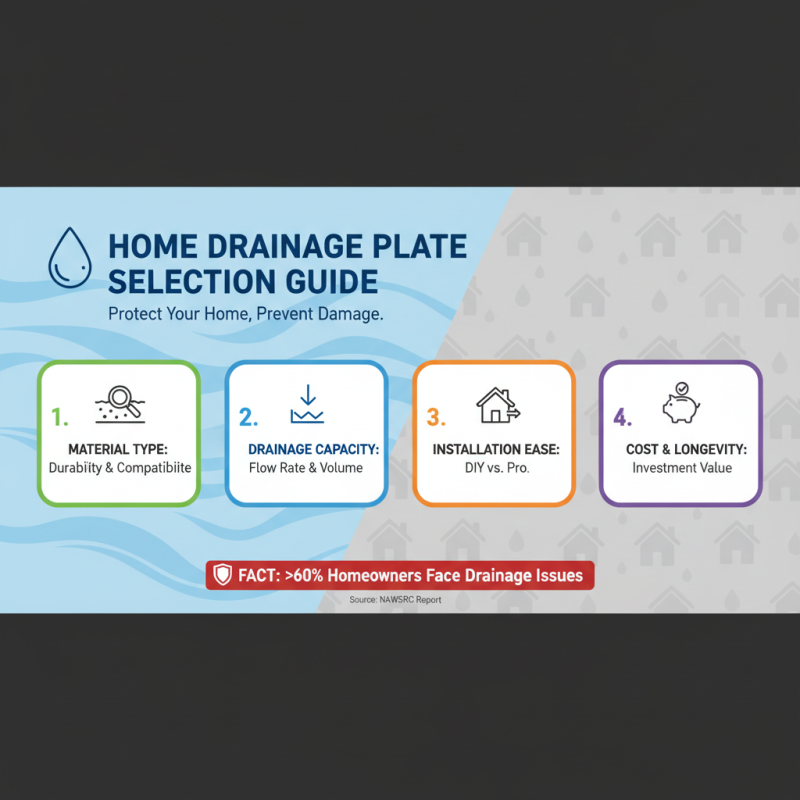
When selecting a drainage plate for your home needs, it's essential to focus on several key factors that can significantly influence the effectiveness and longevity of your drainage system. According to a report by the National Association of Waterproofing and Structural Repair Contractors, over 60% of homeowners encounter drainage issues that can lead to significant property damage. This emphasizes the importance of choosing the right drainage solution tailored to your specific environment and property layout.
One of the primary considerations is the material of the drainage plate. Materials such as polyethylene or PVC offer different benefits in terms of durability and resistance to corrosion. A study published by the Journal of Environmental Engineering indicates that plastic drainage plates can perform effectively in various soil types, with a failure rate as low as 5% in optimal conditions. Additionally, evaluating the size and shape of the drainage plates is crucial. The proper sizing ensures adequate water flow management, reducing the risk of flooding and erosion. Research shows that properly sized drainage solutions can lower water accumulation by up to 30%, enhancing both drainage efficiency and landscape preservation.
Furthermore, it’s imperative to consider the plate's permeability and flow rate. A drainage plate with a higher permeability rate allows for quicker water absorption, a vital factor in preventing water pooling around foundations. According to findings from the American Society of Civil Engineers, proper drainage plate selection can improve the long-term stability of structures by effectively managing groundwater levels. By assessing these key factors, homeowners can make informed decisions that not only protect their properties but also contribute to sustainable water management practices.
Material Options for Drainage Plates and Their Impact on Performance
When selecting the right drainage plate for your home, the material options play a pivotal role in determining performance and durability. Common materials include polyethylene, polypropylene, and stainless steel, each offering distinct advantages. According to a recent study published by the International Journal of Civil Engineering, polyethylene drainage plates are known for their lightweight and corrosion-resistant properties, making them suitable for varying conditions. They have demonstrated an impressive lifespan of over 30 years under normal use, contributing to both cost efficiency and sustainability.
On the other hand, stainless steel drainage plates provide unparalleled strength and longevity, ideal for heavy-duty applications. Research by the American Society of Civil Engineers indicates that stainless steel can outperform other materials in terms of load-bearing capacity, especially in environments with high traffic or severe weather conditions. Although they tend to be more expensive, the long-term benefits of reduced maintenance and replacement costs can justify the investment for many homeowners. Understanding these material characteristics can significantly improve the effectiveness of drainage systems, ensuring optimal performance and longevity.
How to Choose the Right Drainage Plate for Your Home Needs in 2025
| Material Type |
Durability (Years) |
Cost ($/unit) |
Water Flow Rate (gpm) |
Eco-Friendliness |
| Polypropylene |
10 |
50 |
20 |
Moderate |
| Concrete |
30 |
80 |
15 |
Low |
| Stainless Steel |
50 |
150 |
25 |
High |
| Fiberglass |
20 |
70 |
18 |
Moderate |
| ADA Plastic |
15 |
35 |
12 |
High |
Installation Tips for Optimal Drainage Plate Functionality
When installing a drainage plate, it’s crucial to ensure proper placement to maximize its functionality. First, identify the areas in your yard or home where water tends to pool or accumulate, particularly after heavy rainfall. This will allow you to target the specific locations that require attention. Make sure to excavate these areas to create a slight slope away from your property to encourage water flow towards the drainage plate.
Tips: Before installation, always check local building codes and regulations regarding drainage systems. Use a level to ensure the drainage plate is installed at the correct angle, allowing for optimal water movement. Additionally, consider using gravel or crushed stone as a base beneath the drainage plate to help with water flow and prevent clogging.
Properly sealing the drainage plate edges is essential to prevent dirt and debris from getting inside, which can lead to blockages. Applying a waterproof sealant around the perimeter will provide an added layer of protection. Regular maintenance is also important; periodically checking for clogs and cleaning the plate can extend its lifespan and maintain efficient drainage throughout the years.