How to Choose the Right Drainage Materials for Your Project?
Selecting the right drainage materials is crucial for any construction project. According to the American Society of Civil Engineers, poor drainage can lead to structural damage, with costs exceeding billions annually. Proper drainage systems can prevent water accumulation and protect buildings. Renowned expert in civil engineering, Dr. Emily Carter, emphasizes, "Choosing the right drainage materials can make or break a project."
Different materials serve unique purposes. For instance, gravel is widely used due to its affordability. However, some projects may require advanced solutions like permeable pavers. Yet, these options may not be suitable for every situation. Issues like soil type, climate, and project scope must be considered.
Moreover, the longevity and maintenance of drainage materials can vary. Many overlook these aspects until it's too late. It's essential to recognize that the best material isn’t always the most expensive. Sometimes, the simplest solution is the most effective. Reflection on previous choices can guide future decisions toward optimal drainage solutions.
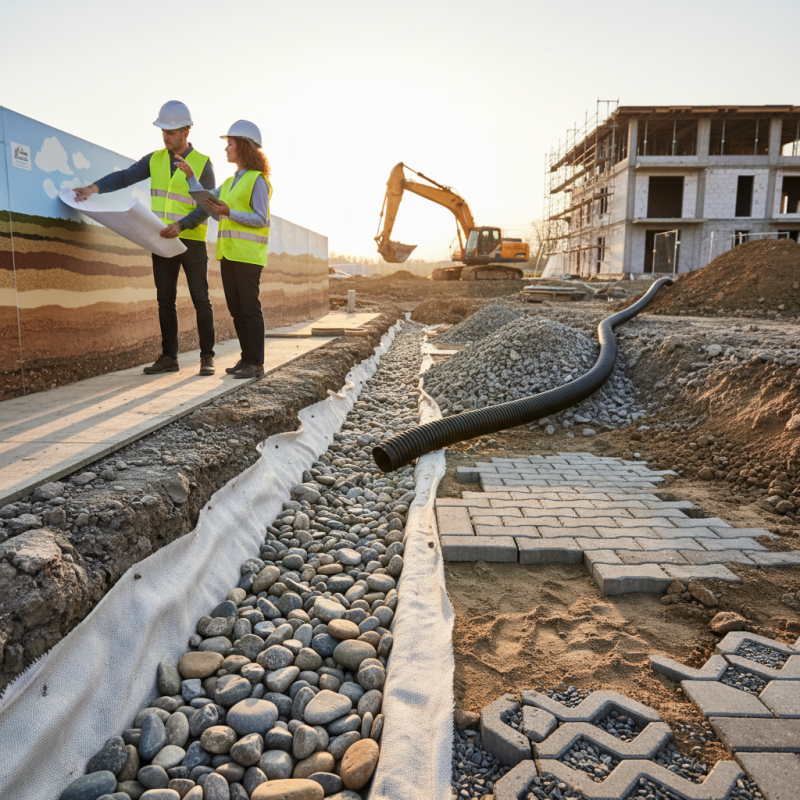
Understanding the Importance of Proper Drainage in Construction Projects
In construction, proper drainage is crucial. Poor drainage can lead to water damage, which is costly to repair. According to a report by the American Society of Civil Engineers, about 14% of structural failures are linked to inadequate drainage systems. This figure highlights the need for attention in planning and execution.
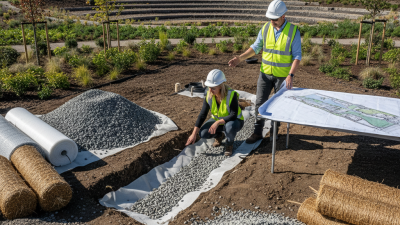
Selecting the right materials is essential for effective drainage. Gravel, perforated pipes, and geotextiles are commonly used. Gravel allows water to flow while preventing soil erosion. Using geotextiles can enhance the longevity of drainage systems and reduce maintenance costs. However, many projects overlook these details, leading to future complications.
Ignoring local regulations can lead to additional issues. A survey conducted by the National Association of Home Builders found that 27% of builders faced delays due to drainage-related problems. This reflects the importance of investing in the right materials. It can ultimately save time and money in the long run, although it requires careful planning and consideration.
How to Choose the Right Drainage Materials for Your Project?
| Material Type |
Advantages |
Disadvantages |
Best Uses |
| Perforated Drain Pipe |
Effective water removal, versatile |
Can become clogged |
Foundation drainage, landscape areas |
| Gravel |
Excellent drainage, low cost |
Requires regular maintenance |
French drains, yard drainage |
| Drainage Mats |
Prevents soil erosion, easy installation |
Higher initial cost |
Green roofs, retaining walls |
| Geotextiles |
Durable, controls soil erosion |
Cost may vary |
Slope protection, drainage systems |
| Catch Basins |
Effective for large volumes of water |
Requires maintenance |
Parking lots, roadways |
Identifying the Types of Drainage Materials Available on the Market
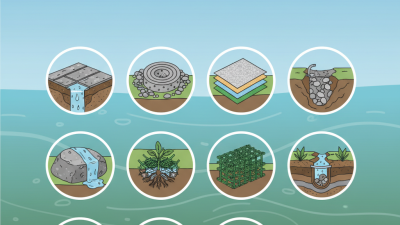
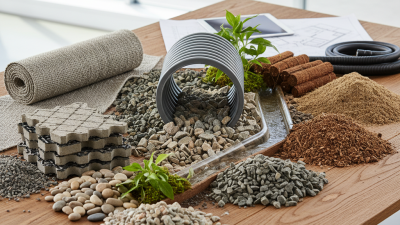
When selecting drainage materials, it's essential to understand the options available. There are gravel, perforated pipes, and geotextiles, among others.
Gravel is commonly used for its drainage capabilities. It allows water to filter through easily. However, it can become compacted over time, reducing effectiveness.
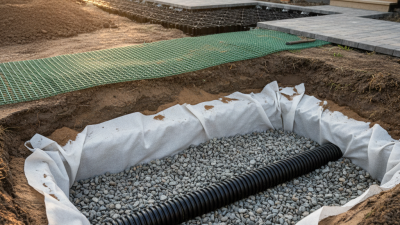
Perforated pipes are another choice. They aid in directing water away from foundations. These pipes need proper installation to function well. Improper angles can lead to pooling and setbacks.
Geotextiles are beneficial for separating soil and drainage materials. They prevent clogging but may degrade over time if exposed to UV light.
Consider the specific needs of your project. Will heavy rainfall be an issue? Is the soil type conducive to drainage? Reflect on your site conditions, as they significantly impact material choice. Take time to evaluate your options before making a decision.
Evaluating Drainage Material Properties: What to Look For
Choosing the right drainage materials is crucial for any project. Evaluating their properties helps ensure that they perform effectively. Look for materials that offer good water permeability. This allows for efficient drainage. Poorly draining materials can lead to issues down the line.
Consider durability as well. Some materials break down over time. This can cause costly repairs. Inspect the resistance to environmental factors. Moisture, temperature changes, and chemicals can affect material lifespan. Finding a balance between cost and quality is essential. Cheaper options might not always be the best choice.
Tips: Always test materials before final selection. A small sample can reveal hidden flaws. Keep in mind that each project has unique needs. Don’t rush the decision. Analyze all options thoroughly. Sometimes, asking for expert opinions can provide valuable insights. Trust your instincts, but also validate with research.
Considering Environmental Factors in Material Selection
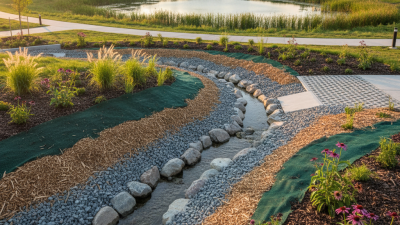
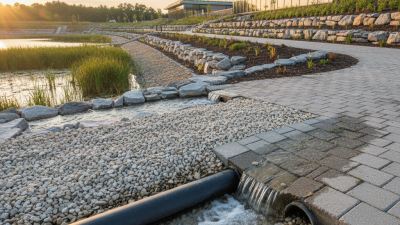
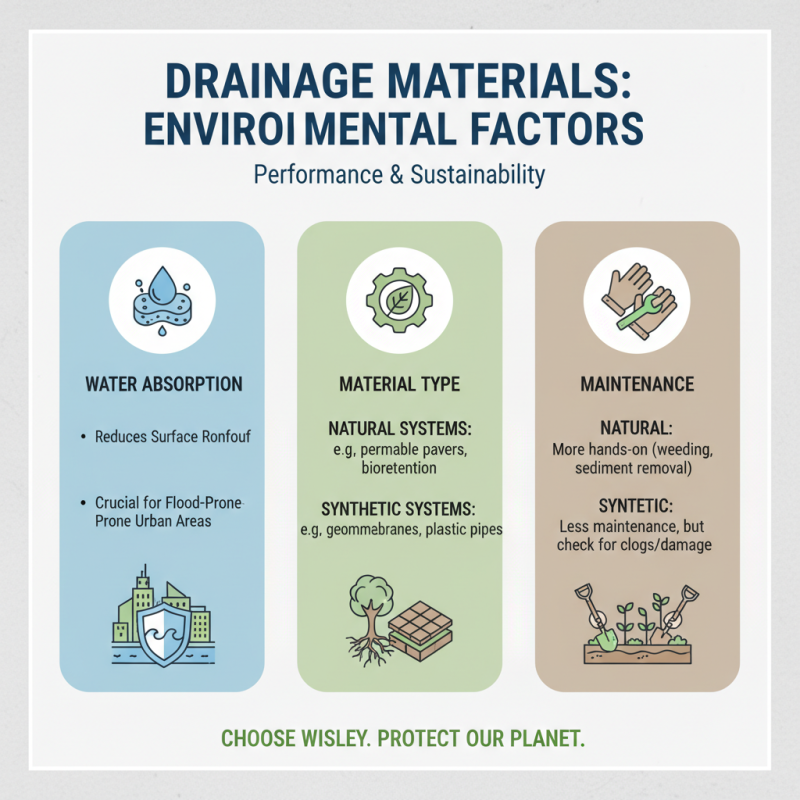
Choosing the right drainage materials involves understanding environmental factors. These elements impact not just performance but sustainability too. For instance, materials that absorb water can prevent surface runoff. This is vital in urban areas prone to flooding. Natural drainage systems can be effective but may require a more hands-on approach.
Considering local climate is essential. In wet regions, porous materials work best. They allow water to seep through, reducing erosion. In contrast, arid areas might benefit from materials that retain moisture. Each choice comes with its own challenges. For example, what works in one environment might fail in another.
Recycling materials can also play a role. Using reclaimed stone or recycled plastic reduces waste. However, sourcing these materials might be more difficult than expected. It's important to reflect on the balance between cost and environmental benefit. Local regulations can add complexity to material selection, too. Ensure all choices are compliant while still being sustainable.
Estimating Costs and Benefits of Various Drainage Options
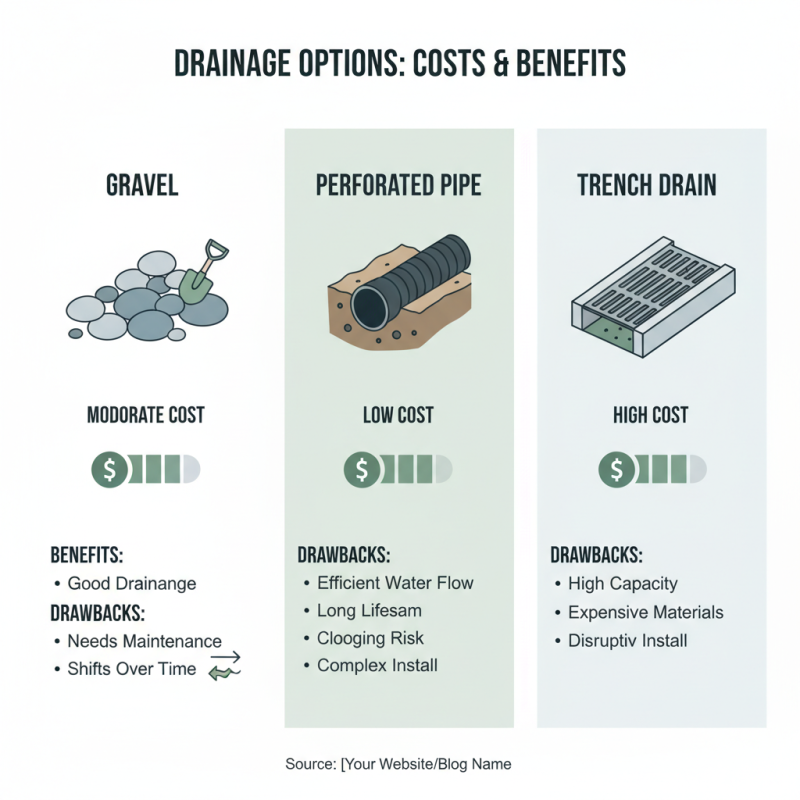
Choosing the right drainage materials can significantly impact your project's cost and benefits. Various options are available, each with unique characteristics. For instance, gravel offers excellent drainage but may require regular maintenance. It can shift over time, which can lead to uneven surfaces.
On the other hand, perforated pipes are highly efficient. They can capture water effectively, but installation can be tricky. Improper setup may lead to backups, resulting in additional costs later on. A solid understanding of each option's pros and cons is essential.
It's also important to consider long-term benefits versus initial costs. A more expensive material might save money in maintenance over time. However, it's hard to see the future through the immediate expenses. Balancing short-term budgeting with long-term savings is a common struggle for many. Make your choice wisely.