Why Are Drainage Materials Essential for Effective Water Management?
Drainage Materials play a crucial role in effective water management. Experts like Dr. Emily Carter, a leading engineer in the field, emphasize, "Proper drainage is the backbone of sustainable development." Her words capture the essence of this vital aspect of infrastructure.
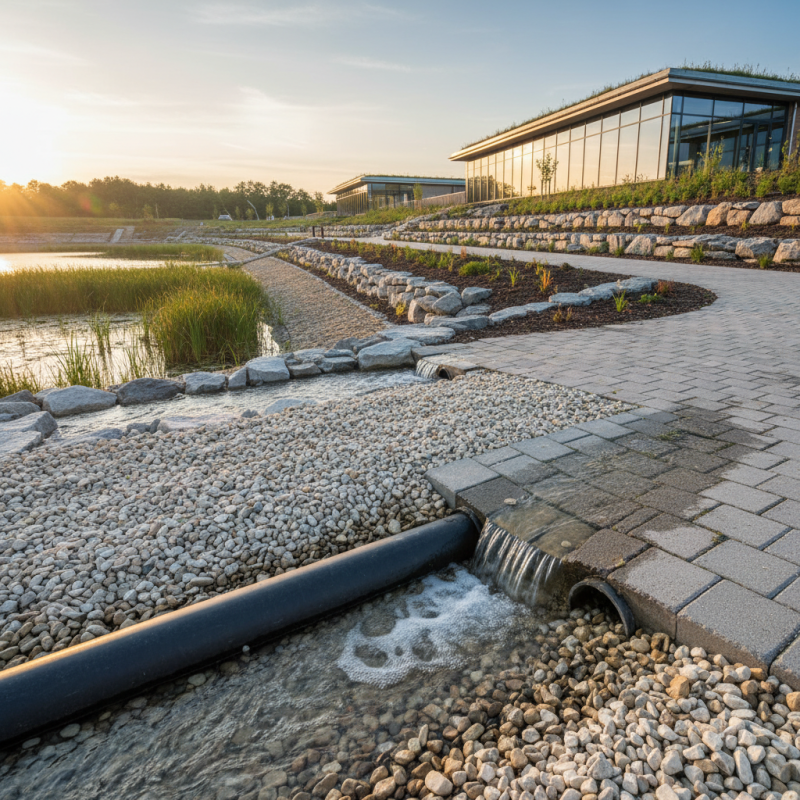
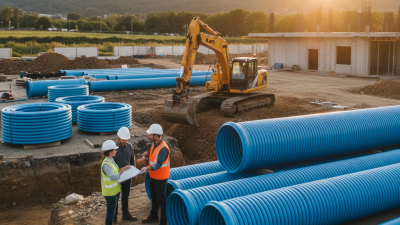
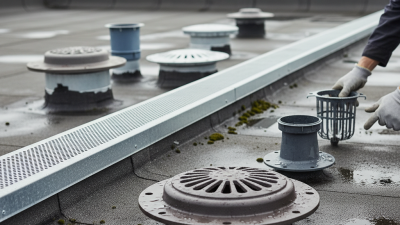
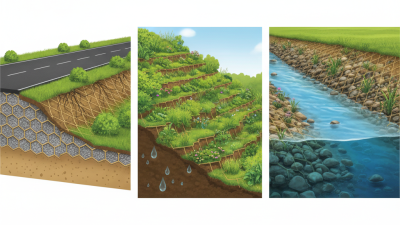
Rainfall and runoff can lead to severe flooding if not managed properly. Drainage Materials help control excess water. They include pipes, gravel, and permeable surfaces. These materials direct water away from structures. This process reduces erosion and preserves the integrity of landscapes.
However, not all drainage systems function perfectly. Some may clog or fail due to poor installation. Continuous evaluation and improvement are essential. Understanding the materials used can lead to better designs. As we advance, embracing innovative Drainage Materials is necessary to meet the growing challenges of climate change and urbanization.
Understanding the Role of Drainage Materials in Water Management
Drainage materials play a crucial role in effective water management. They help control excess water in various environments. Proper drainage prevents flooding, reduces erosion, and manages stormwater runoff. Without effective drainage systems, properties and landscapes can suffer significant damage. Think about how saturated soil can lead to plant death or structural issues over time.
Using the right drainage materials can improve road safety too. For instance, perforated pipes allow water to escape while keeping soil in place. However, installation is key. Poorly designed drainage can create hidden problems. Water may pool in unwanted areas, causing decay or attracting pests. Reflecting on these aspects is important for homeowners and planners alike.
In agricultural settings, the choice of drainage materials can affect crop yields. Good drainage encourages healthy plant growth by preventing root rot. On the flip side, inadequate drainage can lead to crop failure. Each region has unique needs, so solutions shouldn't be one-size-fits-all. Awareness and adaptation are essential for sustainable water management strategies.
Why Are Drainage Materials Essential for Effective Water Management?
| Material Type |
Description |
Application |
Benefits |
| Permeable Paving |
Paving materials designed to allow water to pass through. |
Parking lots, walkways, and driveways. |
Reduces runoff and improves groundwater recharge. |
| Geotextiles |
Synthetic fabrics used to separate, filter, and reinforce soil. |
Erosion control, drainage systems, and road construction. |
Enhances soil stability and prevents erosion. |
| Drainage Pipes |
Pipes that direct water away from areas prone to flooding. |
Stormwater management systems. |
Prevents water accumulation and protects infrastructure. |
| Gravel |
Loose aggregate that improves drainage capacity. |
Foundations, drainage beds, and landscaping. |
Facilitates water flow and reduces soil saturation. |
| Silt Fences |
Barrier made of porous materials to capture sediments. |
Construction sites and landscaping. |
Controls erosion and protects waterways from sediment. |
Types of Drainage Materials and Their Specific Applications
Drainage materials play a vital role in effective water management. Various types of drainage materials are used across different applications. These materials include gravel, perforated pipes, and geotextiles. Each serves a unique purpose and has specific advantages in managing water flow.
Gravel is one of the most common drainage materials. It acts as a filtration layer, allowing water to flow while removing sediments. Studies have shown that proper gravel installations can reduce surface runoff by up to 30%. Perforated pipes are essential in subsurface drainage systems. They can facilitate water flow in agricultural fields, reducing waterlogging and promoting healthier crops. Furthermore, geotextiles serve as a protective layer, preventing soil erosion while allowing water to pass through efficiently.
However, not all installations guarantee perfect results. Gravel can clog if not maintained properly, and perforated pipes may become ineffective over time. Problems such as inadequate slope or design flaws often lead to drainage failures. Continuous monitoring is crucial. An estimated 15% of drainage systems experience performance issues that could have been prevented with proper care.
Water Management: Types of Drainage Materials and Their Applications
How Drainage Materials Improve Soil Health and Plant Growth
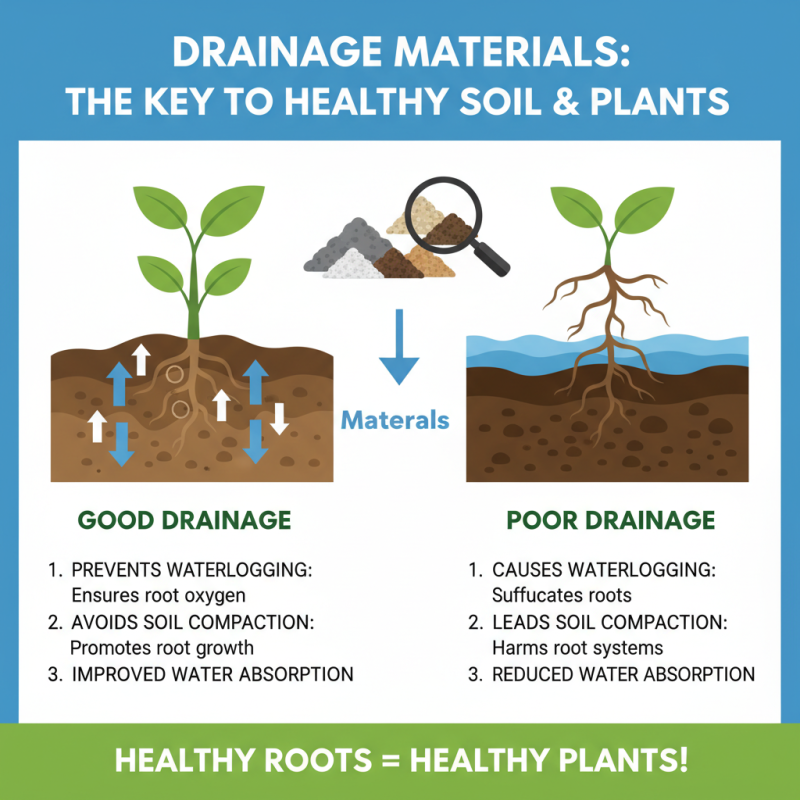
Drainage materials play a vital role in soil health and plant growth. By preventing waterlogging, they ensure roots receive the oxygen they need. Good drainage prevents soil compaction, which can harm root systems. When soil is compacted, it doesn’t absorb water well. This can lead to unhealthy plants.
Additionally, moisture levels become more manageable with proper drainage. Plants thrive when their roots are not sitting in excess water. Healthy drainage systems promote beneficial microorganisms in the soil. These microorganisms break down organic matter, enriching the soil. However, relying solely on drainage materials may overlook other soil health aspects.
Improving soil structure is also essential. It can be a complex process, requiring more than just materials. Organic matter, like compost, should be integrated. If neglected, the soil can become unbalanced. Maintaining soil health is an ongoing effort. It is not just about drainage; it’s about creating a thriving ecosystem.
The Impact of Proper Drainage on Flood Prevention and Water Quality
Effective water management relies heavily on proper drainage. When stormwater cannot flow away efficiently, it leads to flooding. Floods can damage homes and infrastructure. Waterlogged areas become breeding grounds for pests. This situation often leads to health concerns for communities.
Proper drainage materials play a crucial role in maintaining water quality. They filter pollutants as water moves through the system. This process prevents harmful substances from entering local rivers and lakes. However, not all drainage solutions are equally effective. Some materials may degrade quickly, reducing their capabilities over time. Regular maintenance and monitoring are necessary to ensure optimal performance.
Many urban areas face challenges with drainage systems. Infrastructure often fails to keep pace with population growth. As cities expand, natural landscapes are replaced by concrete. This change creates runoff that overwhelms existing systems. In these scenarios, the impact on water quality is significant. Pollutants from roads and industrial areas can contaminate local water sources. Addressing these issues requires innovative thinking and community involvement.
Innovations in Drainage Technology for Sustainable Water Management
Innovations in drainage technology are transforming how we manage water sustainably. Advanced drainage materials are now designed to enhance water absorption while minimizing runoff. According to a 2022 industry report, efficient drainage systems can reduce surface water runoff by up to 40%. This is crucial for urban areas where flooding can cause significant damage.
Recent developments include permeable paving and stormwater catchment systems. Permeable materials allow rainwater to infiltrate the ground, reducing the strain on drainage systems. The World Bank estimates that improved stormwater management could save cities billions in flood damage costs each year. However, the implementation of these technologies often faces challenges. Many municipalities lack the funding or technical expertise required.
Innovative drainage solutions must consider local environmental conditions. There's no one-size-fits-all approach. Some regions may prefer modular drainage systems, while others benefit from green infrastructure. It's essential to adapt technologies to local needs and climates. As we move forward, ongoing research and collaboration will be key to overcoming these challenges and maximizing the potential of drainage innovations.