10 Essential Tips for Choosing Plastic Bar Grating for Your Project?
Choosing the right Plastic Bar Grating can significantly impact your project’s success. Experts in the field emphasize this point. John Smith, a renowned architect in industrial design, once stated, “Selecting the right materials is as crucial as the design itself.” His insight reflects the need for careful consideration when selecting grating.
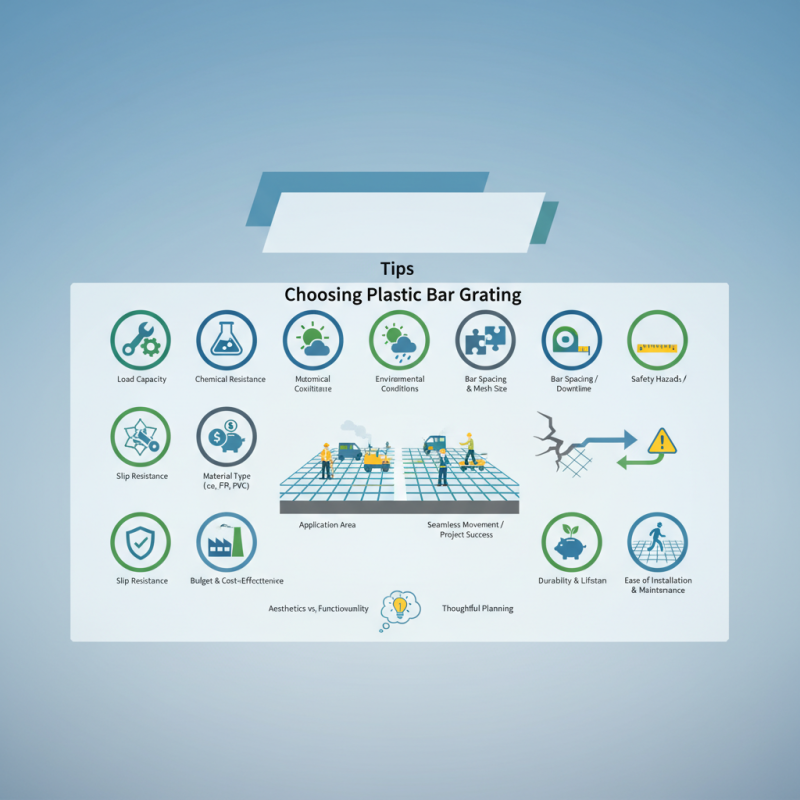
Plastic Bar Grating serves various industrial applications. Its durability and lightweight nature make it a preferred choice in many sectors. However, not all grating options are created equal. You must consider various factors, such as load capacity, chemical resistance, and environmental conditions.
Visualizing your installation can be beneficial. Imagine a bustling factory floor where seamless movement is essential. Choosing the wrong grating might lead to safety hazards or costly downtimes. Reflect on this: are you prioritizing aesthetics over functionality? Thoughtful planning can prevent issues down the line and ensure your project thrives.
Understanding the Different Types of Plastic Bar Grating Available
When it comes to selecting plastic bar grating, understanding the various types available is crucial. There are several options, each with distinct properties. For example, molded grating offers a smooth surface, making it ideal for applications where foot traffic is common. This type can be found in many public spaces.
Another option is extruded grating, which is known for its strength. It’s often used in industrial settings where heavy loads are a factor. The textured surface provides excellent traction, minimizing slips and falls. However, it can be harder to clean, requiring careful maintenance.
There are also composite bar gratings that blend multiple materials. These provide a balance of lightweight and strength. They may not be as durable in extreme conditions, so consider the environment where you plan to use them. While options abound, understanding your specific needs will guide you in making the best choice. Each type has its advantages and limitations, so evaluate carefully before deciding.
Evaluating Load-Bearing Requirements for Your Project
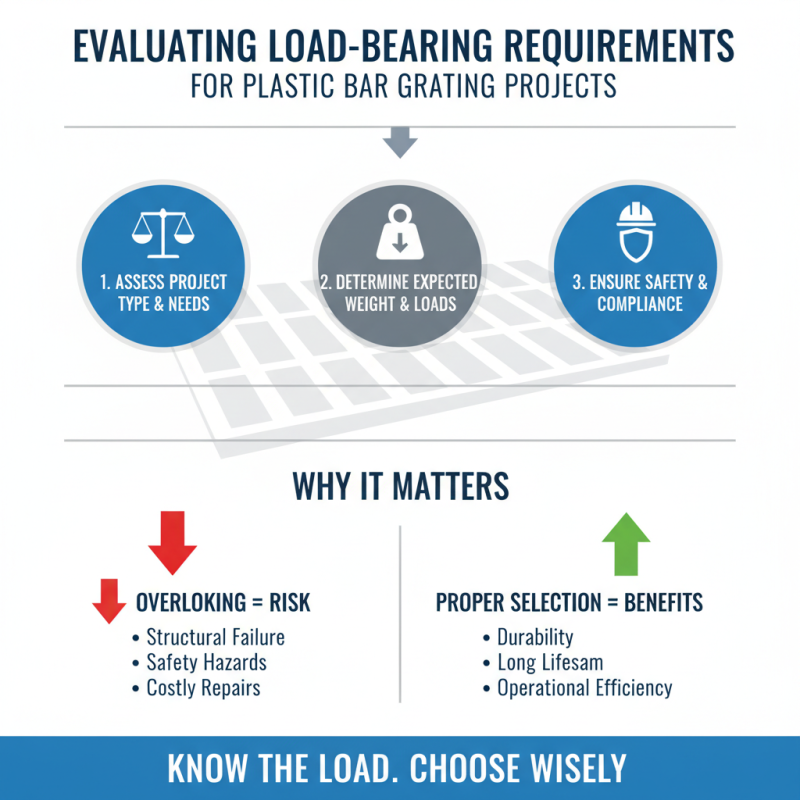
When selecting plastic bar grating, evaluating load-bearing requirements is crucial. Different projects have distinct needs. Knowing the expected weight is essential. Overlooking this detail can lead to safety issues. Ensure you understand the load conditions before making a decision.
Consider your specific application. For light-duty applications, a grating with a lower load capacity may suffice. However, heavier equipment might require more robust options. It's not just about aesthetics; it's about functionality. If the grating fails, it can disrupt operations. Take a moment to think through these aspects.
Tip 1: Assess the maximum load you expect. This will help narrow down your choices. Tip 2: Look for recommendations from engineers or industry experts. They often have practical insights. Sometimes, additional support structures can enhance performance. Don't underestimate the importance of proper installation. A small oversight here can compromise the whole system.
Considering Environmental Conditions and UV Resistance
When selecting plastic bar grating, it's vital to consider environmental conditions and UV resistance. Studies show that UV exposure can significantly degrade certain plastics over time. For example, polycarbonate and polypropylene have different levels of UV stability. Polycarbonate has higher resistance, lasting up to ten years in direct sunlight.
Additionally, temperature fluctuations can affect material integrity. Research indicates that materials can become brittle when exposed to extreme heat or cold. A product might have a strong initial performance but fail under harsh weather conditions. Monitoring local climate trends in your project area is essential. This data helps in making informed choices about the type of grating required.
Implementing protective features like UV inhibitors can extend lifespan. However, it’s not a foolproof solution. Regular maintenance is crucial to prevent degradation. Visual inspections can help catch wear early. Sometimes, a budget-friendly choice might not hold up against environmental challenges. Analyze long-term costs against initial savings to avoid regrets later.
UV Resistance Ratings of Plastic Bar Grating Types
Analyzing Cost-Effectiveness and Budget Constraints
When selecting plastic bar grating, budget constraints are key. Understanding your financial limits can shape your choices significantly. Set a clear budget. Costs can vary based on material, design, and size. Some options may seem cheaper upfront but might have hidden costs over time, such as maintenance or replacement.
Quality does not always align with price. Sometimes, the most expensive item isn’t the best for your project. Evaluate the longevity of the materials. Cheaper alternatives may wear out quickly, resulting in higher costs. Consider the environment in your calculations. Is the grating resistant to chemicals or UV rays? A low initial price tag doesn’t account for potential replacements.
It’s worth experimenting with different options. Sometimes, choosing a less popular design can save money without sacrificing quality. Review multiple distributors to compare prices. Be cautious of unexpected fees that might arise later on. Reflection is essential. Analyzing your priorities can lead to smarter investments in your project. Always balance cost against functionality for better decision-making.
Assessing Maintenance and Durability Factors for Long-Term Use
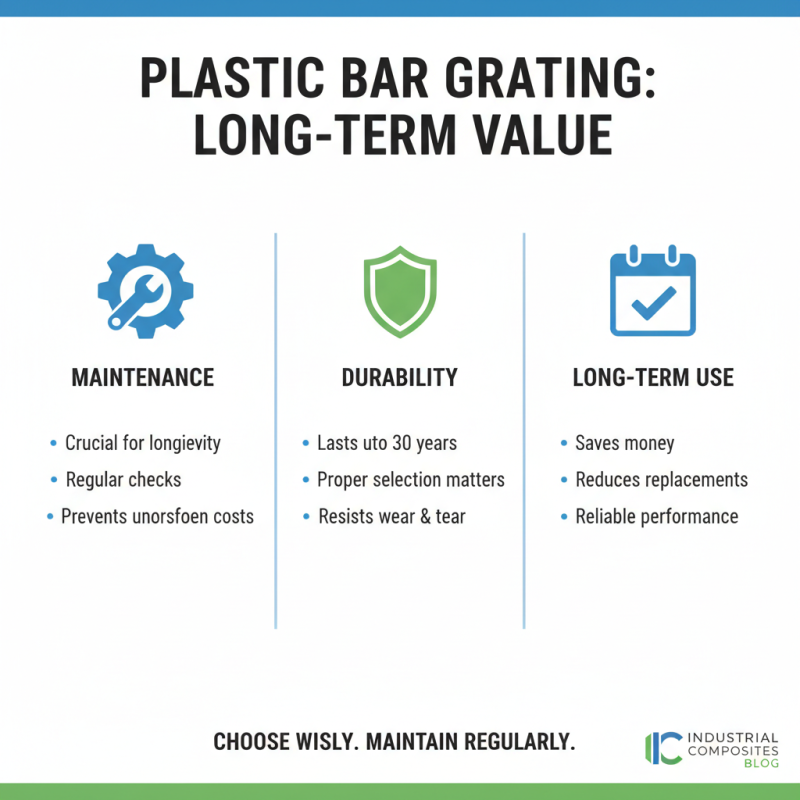
When selecting plastic bar grating, assessing maintenance and durability factors is crucial for long-term use. Reports indicate that well-chosen grating can last up to 30 years with proper maintenance. However, many overlook this aspect, leading to unforeseen costs and replacements. Regular checks can reveal wear and tear not visible at first glance.
Tip: Always consider the environment. Plastic can degrade in harsh conditions, affecting durability. Look for grating designed for specific climates or uses. For instance, UV-stabilized materials can resist sun damage.
Another factor is the ease of cleaning. Some designs trap dirt and debris, complicating maintenance. Choose grating with open designs for easier cleaning and better drainage. This choice can improve safety and extend the lifespan of the product.
Tip: Pay attention to installation. Poor installation can lead to premature wear. Ensure the grating is properly secured and aligned on the supporting structure. Misalignment can cause stress points and increase maintenance needs over time. Choosing the right grating and caring for it properly results not only in savings but also in better safety.