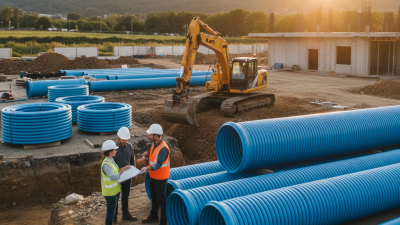
Effective water management is critical in both urban and rural settings, and understanding the various drainage materials available is essential for successful implementation. According to Dr. Emily Johnson, a leading expert in the field of drainage systems, "The choice of drainage materials can significantly impact the efficiency and sustainability of water management practices." This insight underscores the importance of carefully selecting materials that not only facilitate the flow of water but also contribute to environmental protection.
In this article, we will explore the top 10 tips for effectively utilizing drainage materials, focusing on their properties, applications, and best practices. From permeable surfaces to specialized geotextiles, the right materials can enhance drainage performance while minimizing the risk of flooding and erosion. By applying these insights, property owners, contractors, and landscape professionals can ensure that their drainage systems are not only effective but also contribute to a healthier ecosystem. As we delve into these essential tips, you'll gain valuable knowledge that can transform your approach to water management using the most suitable drainage materials.
Understanding drainage materials is essential for effective water management in various applications, from agricultural settings to urban infrastructure. The selection of appropriate materials can significantly influence the efficiency of water movement, filtration, and retention. Key considerations include permeability, durability, and environmental impact. High-permeability materials such as gravel and sand facilitate quick drainage, reducing the risk of waterlogging and erosion. Conversely, materials like clay can be useful for retaining moisture in areas where water conservation is critical.
In addition to traditional options, innovative drainage materials are emerging to address specific challenges. For instance, permeable pavements made from recycled aggregates allow for rainwater infiltration, reducing runoff while promoting groundwater recharge. Furthermore, geotextiles serve as a barrier that filters sediment while permitting water flow, effectively enhancing the longevity and performance of drainage systems. Understanding these materials and their properties ensures informed decisions that improve water management practices and support sustainable development.
When it comes to effective water management, choosing the right drainage materials is crucial. Various types of drainage materials offer unique advantages and disadvantages, influencing decisions based on site requirements and environmental factors. For instance, gravel is widely favored for its excellent drainage capabilities, allowing water to flow freely through its structure. However, it may not provide enough filtration, potentially allowing silt and debris to clog systems over time.
On the other hand, perforated pipes are ideal for directing water away from saturated areas, yet they require careful installation to prevent blockages. Additionally, synthetic drainage mats offer a lightweight alternative, promoting efficient water dispersion. Nevertheless, their long-term durability can be a concern, as exposure to various environmental elements may weaken them over time.
To optimize your drainage system, consider these tips: first, always assess the specific needs of your site before selecting drainage materials. Second, blend different materials where possible to harness their strengths while mitigating weaknesses. Lastly, don't overlook the importance of regular maintenance, as proactive measures will enhance the longevity and efficiency of your drainage setup, ensuring effective water management for years to come.
| Material Type | Advantages | Disadvantages | Best Use Cases |
|---|---|---|---|
| Gravel | Excellent drainage capacity, easily available, cost-effective | Can shift under pressure, requires maintenance to avoid clogging | French drains, general landscaping |
| Perforated Pipe | High flow capacity, versatile installation | Can clog over time, may require filters | Subsurface drainage systems |
| Geotextiles | Prevent soil erosion, allow water flow | Can be expensive, may degrade over time | Road construction, drainage systems |
| Concrete | Durable, long-lasting, manages heavy loads | Can crack, poor drainage if not designed correctly | Driveways, pavements |
| Plastic Drainage Pipes | Lightweight, resistant to corrosion | Can be damaged easily, lower load-bearing capacity | Residential drainage, irrigation |
| Sand | Good drainage, easy to work with | Can be transported by water, not stable for heavy loads | Landscaping, garden beds |
| Soil (native) | Cost-effective, natural drainage solutions | Variable drainage capacity, may compact | Drainage swales, bioswales |
| Wood Chips | Biodegradable, improves soil structure | Decomposes over time, can attract pests | Mulching, composting |
| Slate | Aesthetic appeal, good for landscaping | Heavy, may require specific supports | Walkways, decorative drainage |
| Rubber Mulch | Durable, prevents erosion, good for playgrounds | Higher upfront cost, not biodegradable | Gardening, landscaping |
When it comes to effective water management, choosing the right drainage material is crucial for ensuring that your project operates efficiently. The type of drainage material affects not only the functionality but also the sustainability and longevity of your system. Consider the environmental conditions of your site; porous materials, like gravel, are excellent for areas with heavy rainfall, as they allow water to percolate through and reduce surface runoff. In contrast, impermeable materials may be suitable for areas where you want to direct water flow more precisely, such as toward a collection point.
Additionally, it's important to evaluate the physical properties of the drainage materials. Some materials have greater durability and resistance to various environmental factors, which can prolong the lifespan of your drainage system. For instance, geotextiles not only support soil structure but also filter sediment, keeping your drainage pathways clear. Moreover, understanding the local soil conditions will inform your choice, as different soils have varying drainage capabilities. By carefully assessing these factors, you can ensure that the drainage materials you select will effectively manage water and prevent issues such as erosion or flooding.
When it comes to effective water management, proper installation of drainage materials is crucial. One key practice is ensuring that the drainage system is designed according to the specific needs of the site. This involves assessing the soil type, topography, and climate conditions before selecting materials and layouts. For instance, using perforated pipes in areas with high water levels can facilitate better water flow while preventing flooding. Additionally, it's important to install drainage materials at the correct slope to encourage optimal drainage away from buildings and other critical areas.
Another best practice is to focus on proper backfilling techniques around the drainage system. This involves using clean and appropriate materials to support the drainage pipes and prevent clogging. It's vital to compact the backfill in layers to minimize settling and ensure the longevity of the system. Furthermore, implementing sediment control measures during installation can help maintain the integrity of the drainage materials while reducing the risk of debris accumulation. By following these best practices, property owners can enhance the efficiency of their drainage systems, contributing to effective water management.
This chart illustrates the most effective drainage materials based on their water permeability, durability, and cost-effectiveness.
Effective maintenance of drainage systems is crucial for ensuring their longevity and optimal performance. Regular inspections should be a top priority, with homeowners and property managers taking the time to visually check for signs of blockages or wear. Clearing out debris such as leaves, sediment, and trash from drainages can prevent clogs, which are a common issue that can lead to more significant problems down the line. Additionally, using a garden hose to flush out drains can help remove smaller particles that maintenance teams might miss.
Another essential tip for maintaining drainage systems is to monitor and manage landscaping around these areas. Trees and shrubs should be placed strategically, keeping roots and foliage from invading drainage pathways. Regular trimming can help maintain clear access and prevent root growth from causing blockages. Moreover, it’s important to ensure that soil is correctly graded away from buildings and structures to facilitate proper water flow. By implementing these proactive strategies, property owners can ensure their drainage systems remain effective and functional for years to come.