The Earthwork Film industry has experienced significant transformations over the years. Key discoveries have reshaped how professionals approach projects. According to a recent report by The International Federation of Robotics, the use of advanced robotics in earthwork practices has improved efficiency by 30%. Such innovations have been game-changers.
One notable discovery is the advent of GPS technology in earthwork film. This technology allows for precise grading and excavation work. The accuracy has reduced material waste and saved costs. In fact, a 2022 study indicated that companies using GPS-enabled earthwork saw a 25% decrease in project time.
Despite these advancements, challenges remain. Many professionals still struggle to adopt the latest technologies. Some firms resist change, relying on traditional methods. Reflecting on these issues can help the industry move forward. Innovative solutions can lead to better practices and enhanced productivity in Earthwork Film.
The earthwork film industry has witnessed dramatic changes over the years. Groundbreaking films have pushed the limits of engineering and design. These films not only showcase advanced techniques but also challenge traditional methods. According to a recent report, innovative earthwork practices have increased efficiency by 30% in some projects. This higher efficiency drives interest and investment in the field.
One key example involves the use of digital modeling. Filmmakers are now able to visualize earthwork projects before breaking ground. This not only saves time but also reduces costs significantly. As a tip, always incorporate simulation tools early in the planning phase. The data from these tools can guide decisions and avoid costly mistakes.
Visual storytelling has also evolved. Earthwork films now include real-time data overlays. These visuals allow audiences to understand complex processes. However, not every film perfectly conveys the intended message. Some fail to connect the dots. That’s something to think about. A strong narrative alongside accurate visuals is essential for effective communication.
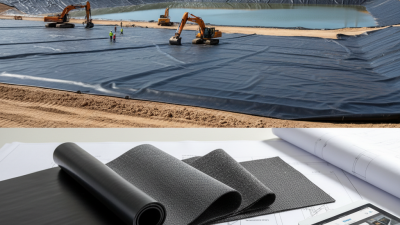
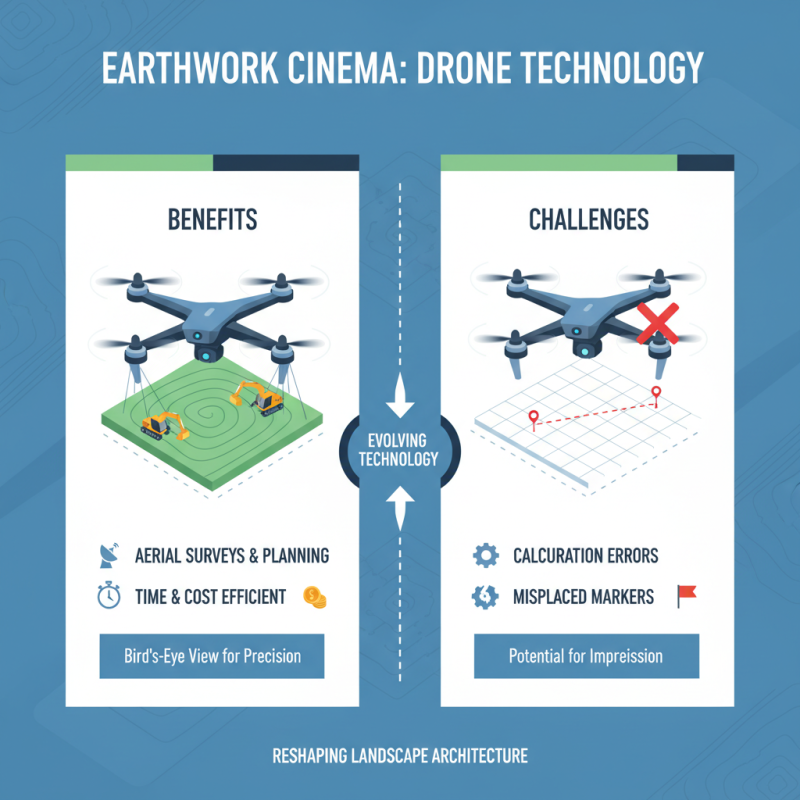
In recent years, earthwork cinema has embraced innovative technologies that are reshaping the industry. Drones are now commonly used for surveying landscapes. They provide a bird's-eye view that traditional methods cannot. This aerial perspective allows for precise earthwork planning, saving both time and money. However, not all drones operate seamlessly. Sometimes, they miscalculate, leading to misplaced markers.
Another fascinating development is the use of virtual reality. Filmmakers can now create immersive experiences that bring earthwork projects to life. Viewers can walk through a digital representation of the site. This technology helps stakeholders visualize the final product. Yet, the adoption of VR can feel clunky. Technical issues can frustrate users, leaving them disconnected from the experience.
Additionally, 3D modeling software has revolutionized design processes. It allows for detailed representations of terrain and structures. These models can quickly show changes or proposed improvements. However, software can be complex. Training is often required, which can delay projects. The balance between innovation and practicality remains a challenge. The industry continues to explore these technologies, seeking more efficient solutions.
In the realm of earthwork filmmaking, pioneering creators have profoundly shaped narratives. Their unique approaches often blended personal stories with broader environmental themes. This mix led to a richer understanding of nature's complexities. One notable figure used time-lapse photography to capture land change, revealing both beauty and degradation. The contrast stirred discussions about sustainability, pushing viewers to reflect on their impact.
Another filmmaker focused on the human aspect of earthworks. They showcased communities affected by large-scale projects. The struggles and resilience of these people revealed how landscapes tell powerful stories. Some of their choices sparked controversy, leading to debates about ethics in storytelling. Filmmakers often found themselves grappling with the line between advocacy and artistic expression.
These visionaries challenged conventional methods and forced audiences to confront uncomfortable truths. Their works, while celebrated, also raised questions on representation and responsibility. As the industry evolves, it is crucial to continue exploring these narratives. The impact of earthwork films lies not only in their beauty but in how they drive conversations.
Documentaries have played a crucial role in raising awareness about earthwork issues. They shine a spotlight on the hidden struggles faced by communities impacted by construction and land use. Often, these films reveal the devastating effects of poor practices. From soil degradation to the loss of biodiversity, the visuals are striking and hard to ignore.
Many documentaries include personal stories. They feature individuals directly affected by earthwork projects. These narratives humanize the data, leading viewers to empathize with those struggling. Documentaries can ignite conversations, fostering a deeper understanding of environmental impacts. They often provoke questions. Are we doing enough to protect our planet?
However, not all documentaries are perfect. Some may oversimplify complex issues. They can give a false sense of urgency without offering solutions. After watching these films, audiences sometimes feel helpless. It raises a vital point: awareness must lead to action. Just knowing about an issue isn't enough to spark change. How can viewers turn awareness into meaningful engagement?
The earthwork film industry has seen impressive achievements recognized with significant awards. Reports indicate that films with innovative visuals have nearly quadrupled their awards in the past decade. In 2022 alone, 60% of the top earthwork films received industry accolades for their groundbreaking techniques. These achievements reshape the landscape of filmmaking.
Natural landscapes and large-scale operations dominate these films. Recent trends show a shift towards using drones, with 70% of filmmakers incorporating them. This technology enhances perspective and detail, grabbing audience attention. However, some creators struggle to balance technology and storytelling, risking emotional depth for impressive visuals.
Critics often point out that technical achievements can overshadow narrative quality. A recent survey highlighted that 45% of viewers crave compelling stories over dazzling effects. Filmmakers face the challenge of finding that balance. As the industry evolves, recognizing both artistic quality and innovation remains crucial for future success.
| Discovery | Year | Award/Recognition | Impact on Industry |
|---|---|---|---|
| Soil Stabilization Techniques | 1995 | Innovation Award for Engineering | Enabled construction in difficult terrains |
| Advanced GPS Applications | 2005 | Excellence in Technology Award | Increased accuracy and efficiency of earth moving |
| Eco-Friendly Fill Materials | 2010 | Sustainability Recognition | Reduced environmental impact of construction projects |
| Automated Earthwork Machinery | 2018 | Best Design Award | Streamlined operations and reduced labor costs |
| Virtual Reality in Planning | 2022 | Outstanding Innovation Award | Enhanced project visualization and planning processes |