2026 Top Non Woven Geotextile Applications for Sustainable Construction?
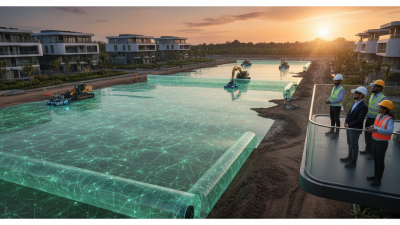
The rise of sustainable construction practices highlights the importance of innovative materials. Non Woven Geotextile is gaining attention in this field. With its excellent durability and versatility, it has applications in various construction projects.
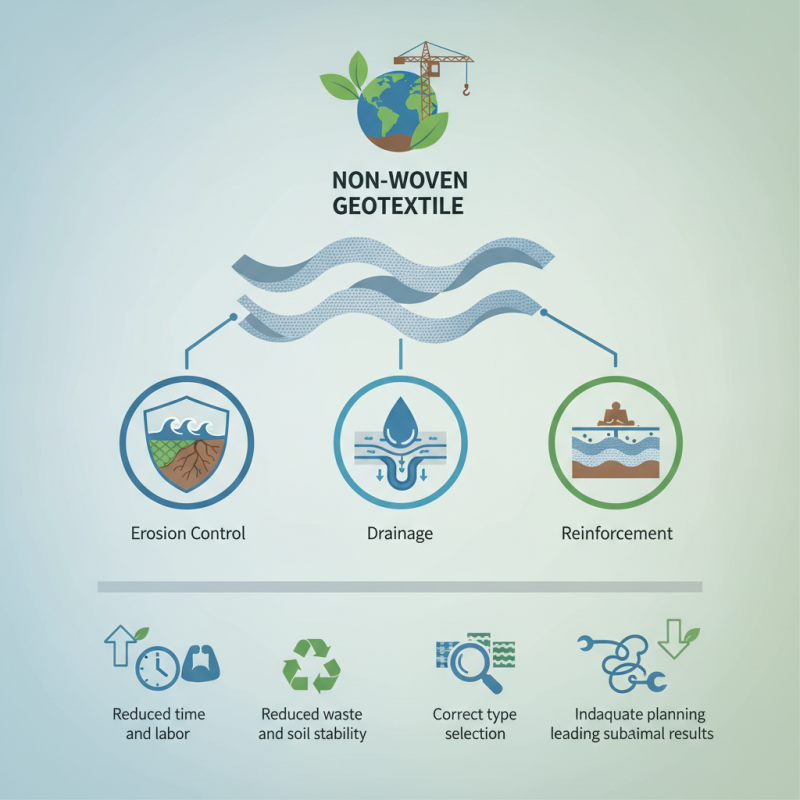
Non Woven Geotextile serves multiple functions, such as erosion control, drainage, and reinforcement. Its lightweight nature makes it easy to transport and install. This efficiency can reduce both time and labor costs on site. However, not all projects utilize Non Woven Geotextile effectively. Some may overlook the need for proper site analysis before installation.
The environmental benefits of using Non Woven Geotextile are significant. It reduces waste and promotes soil stability. Yet, there are challenges to consider. For example, the correct type of geotextile must be chosen to meet specific project requirements. Inadequate planning can lead to suboptimal results, requiring reflection and adjustment.
Overview of Non Woven Geotextiles in Sustainable Construction
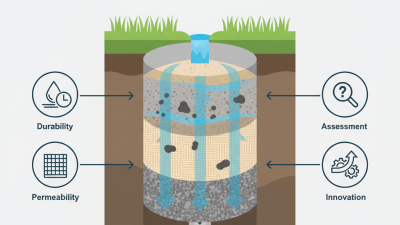
Non woven geotextiles play a vital role in sustainable construction. These materials help in soil stabilization and erosion control. They provide a strong yet flexible solution for various construction projects. Their porous nature allows water to flow while filtering out particles. This keeps the soil intact and promotes healthy vegetation growth.
Tips for using non woven geotextiles effectively: Ensure proper installation to avoid future complications. Consider local environmental conditions before selection. Many designs may not fit all projects perfectly. It’s important to evaluate their performance based on specific site conditions.
Moreover, the recycling aspect of non woven geotextiles should not be overlooked. Some materials can be repurposed after use. This reduces waste and supports a circular economy in construction. The challenge lies in balancing cost and sustainability. It requires careful planning and research. Investing time in understanding these materials is crucial for any project aiming for sustainability.
Key Properties of Non Woven Geotextiles for Construction Use
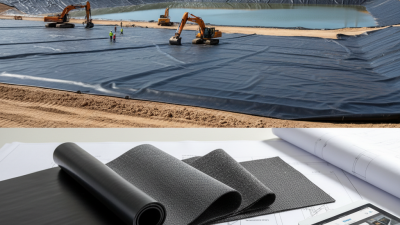
Non woven geotextiles are vital for modern construction projects. These materials possess unique properties that enhance sustainability and performance. They are made from synthetic fibers that are bonded together, providing excellent strength and durability. This construction method allows for easier installation and lower labor costs, making them a popular choice.
One key property is their permeability. Non woven geotextiles allow water to flow through while filtering out soil particles. This prevents erosion and supports drainage. However, their durability can vary based on the manufacturing process. Some products may degrade faster when exposed to UV light. Installing them correctly is crucial. Improper installation can lead to failures in construction projects.
Another important aspect is their tensile strength. This property ensures that the geotextile can withstand heavy loads without tearing. However, selecting the right type for specific applications can be challenging. Not every project requires high tensile strength. Balancing performance with cost is essential for sustainable construction practices. Careful consideration of these properties can lead to better outcomes.
2026 Top Non Woven Geotextile Applications for Sustainable Construction
| Application |
Key Properties |
Benefits |
| Soil Stabilization |
High tensile strength, permeability |
Prevents soil erosion, enhances load distribution |
| Drainage Systems |
Excellent water flow, filtration |
Reduces waterlogging, promotes vegetation growth |
| Separation Layer |
Durable, resistant to puncture |
Prevents mixing of soil types, enhances structural integrity |
| Reinforcement |
High tensile modulus, flexibility |
Increases load-bearing capability, extends lifespan of structures |
| Environmental Protection |
Biodegradable options available, chemical resistance |
Reduces environmental impact, supports sustainability goals |
Top Applications of Non Woven Geotextiles in 2026
In 2026, non woven geotextiles are set to play a crucial role in sustainable construction. These materials are essential for drainage, filtration, and reinforcement in various applications. According to a recent market analysis from Global Industry Analysts, the demand for non woven geotextiles is projected to grow significantly, reaching over $8 billion by 2026.
One prominent application is in road construction. Non woven geotextiles enhance stability by reinforcing soil and reducing erosion. A study from the Federal Highway Administration indicates that using these materials can extend road life by 20%. However, improper installation can still lead to failures, emphasizing the need for skilled labor and quality assurance.
In erosion control projects, non woven geotextiles offer innovative solutions. They provide immediate coverage and groundwater filtration. Yet, the environmental impact of their production raises concerns. While their usage is beneficial, sustainability practices in their manufacturing must be improved. Industry experts argue for a shift towards biodegradable options to minimize ecological footprints.
Environmental Benefits of Using Non Woven Geotextiles
Non-woven geotextiles are gaining attention in sustainable construction. They provide several environmental benefits. These materials reduce soil erosion and facilitate sustainable drainage systems. Studies show that using non-woven geotextiles can decrease the need for traditional drainage infrastructure. This can save up to 30% of construction costs.
Research from the International Geosynthetics Society indicates that geotextile applications can improve land reclamation efforts. They help stabilize soil and promote vegetation growth. In some projects, vegetation cover increased by 50% when non-woven geotextiles were utilized. Furthermore, they contribute to reducing carbon footprints by minimizing the disturbance to natural landscapes.
Yet, not all applications are flawless. Improper installation can lead to failures. Additionally, there are concerns about the long-term effects on local ecosystems. Questions remain about how synthetic materials break down over time. Continuous assessment of these impacts is necessary. As developers seek greener alternatives, learning from past applications will be crucial for future advancements.
Future Trends in Non Woven Geotextile Technologies for Sustainability
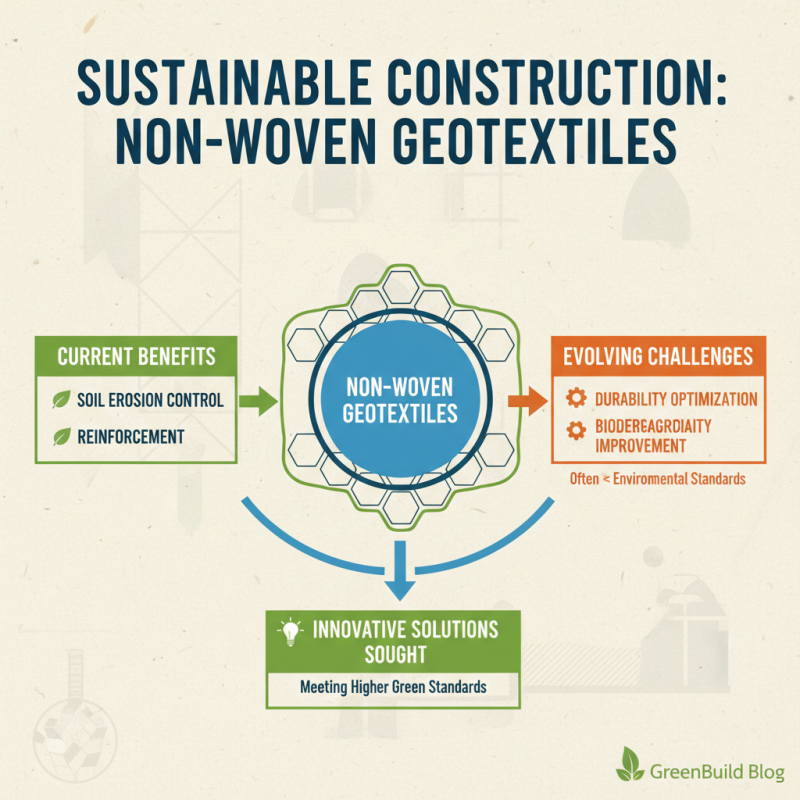
In the evolving landscape of sustainable construction, non woven geotextiles are gaining traction. These materials offer effective solutions for soil erosion control and reinforcement. However, challenges remain in optimizing their durability and biodegradability. Many existing products do not fully meet environmental standards. Developers are seeking innovative ways to improve these features.
Emerging trends point toward integrating recycled materials into non woven geotextiles. This approach reduces waste and promotes resource efficiency. Additionally, developments in fiber technology may enhance performance. Light-weight and multifunctional designs are also becoming popular. Yet, it's essential to ensure these innovations do not compromise structural integrity.
The future lies in aligning non woven geotextiles with green building practices. Education and industry collaboration are crucial. Stakeholders must work together to address shortcomings in current products. Exploration of alternative materials could lead to breakthroughs. There is much work to be done, but the potential is significant.