Drainage stone plays a crucial role in landscaping and construction. Its versatility allows for various applications, making it a favorite among professionals. According to industry reports, the use of drainage stone has surged by over 15% in the past five years. This increase reflects a growing recognition of its benefits in preventing erosion and managing water runoff.
Landscapers and builders utilize drainage stone for several purposes. From creating effective drainage systems to enhancing aesthetic appeal, the applications are diverse. For instance, using drainage stone in garden beds helps keep roots healthy by ensuring proper water flow. Yet, despite its advantages, many projects overlook its potential. Some may underestimate the importance of proper installation, leading to issues down the line.
Choosing the right type of drainage stone is essential. Different aggregates provide varying levels of filtration and stability. Mistakes in selection can result in unforeseen drainage problems. Reflecting on these choices can lead to smarter decisions and improved outcomes in future projects. Emphasizing correct usage is vital for maximizing the benefits of drainage stone.
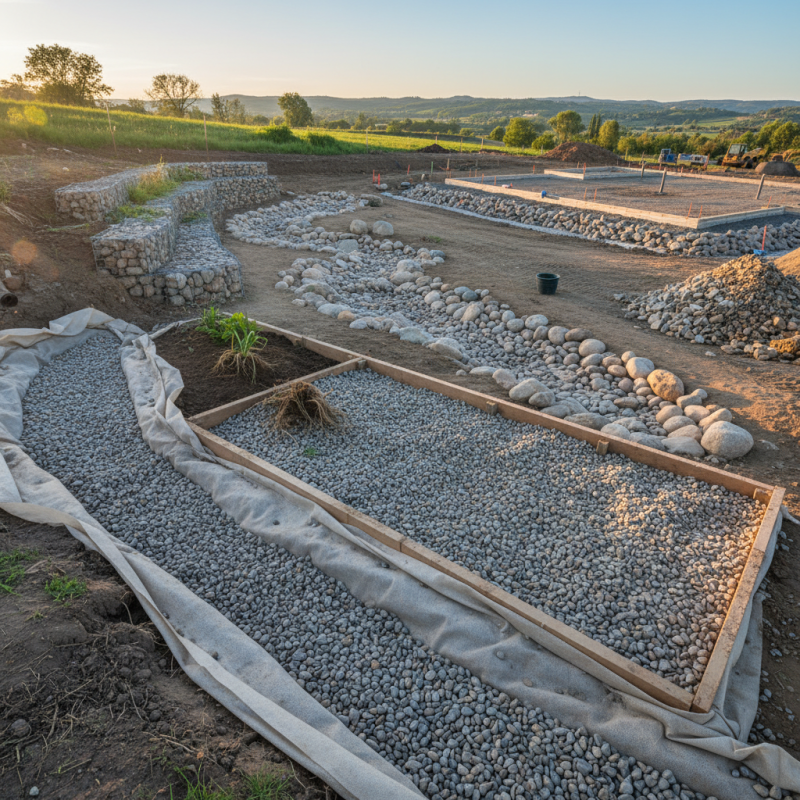
Drainage stone is essential in landscaping and construction. Its key characteristics make it a preferred choice for various applications. Typically, drainage stone consists of crushed rock or gravel that allows for smooth water flow. According to recent studies, effective drainage systems can reduce flooding risks by up to 50%. The right type of drainage stone can significantly enhance landscape design.
The porosity of drainage stone varies. It often contains voids that promote water movement. This prevents water buildup, which can damage plant roots or building foundations. Industry reports indicate that well-placed drainage systems can increase property value by 10-15%. However, not all drainage stones are created equal. Some may not provide adequate filtration or may compact over time, leading to inefficiencies.
The size of the stones plays a critical role. Larger stones may not filter fine particles effectively, while smaller stones can clog. The goal is to find a balance between drainage efficiency and sediment control. Professionals should regularly assess the condition of the drainage system. Neglecting this can lead to costly repairs. Regular inspection helps maintain optimal performance and longevity. Aside from its functional benefits, drainage stone can also enhance the aesthetic appeal of outdoor spaces.
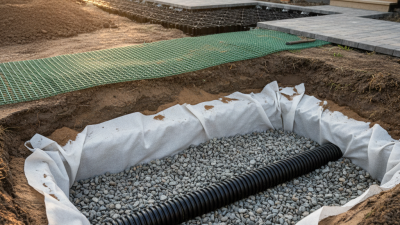
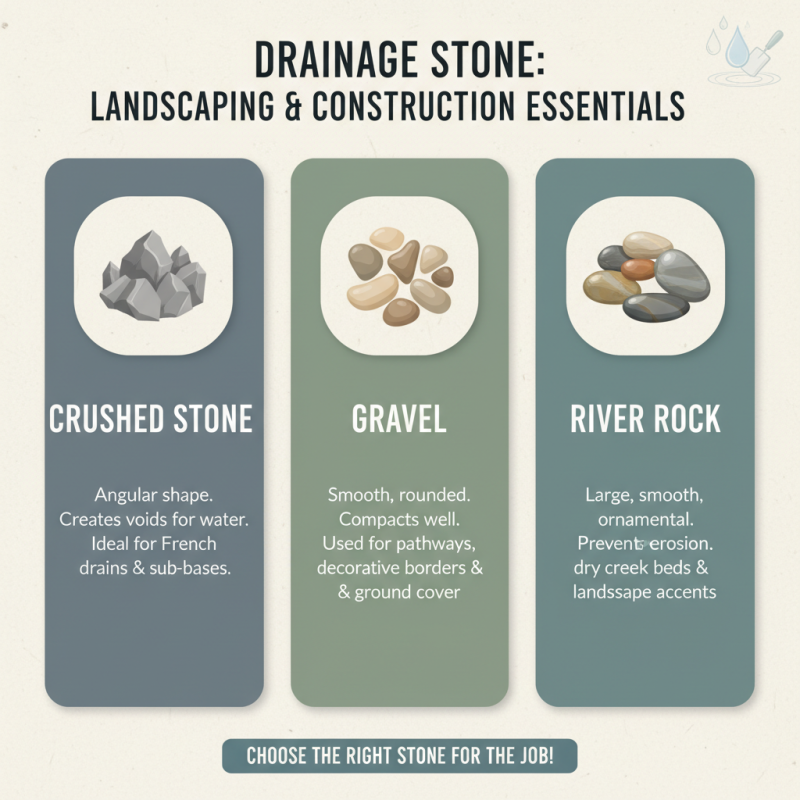
Drainage stone plays a vital role in landscaping and construction. Various types serve specific purposes. Among the most common are crushed stone, gravel, and river rock. Each type has unique properties. Crushed stone works well for drainage systems. It’s angular, which helps create voids for water flow. Gravel is smoother and used for pathways or decorative features.
River rock offers an aesthetic touch. Its smooth surface adds beauty to gardens. The choice of stone depends on your project needs. Remember to consider the size of the stone. Large stones might be hard to handle, while small ones can settle easily.
Tips: Always assess the drainage needs of your site before selecting stone. Don’t overlook soil type; it affects drainage efficiency. Experiment with different stones in small areas before committing to larger displays. Pay attention to how the stones look with plant life. Different combinations can yield unexpected yet stunning results.
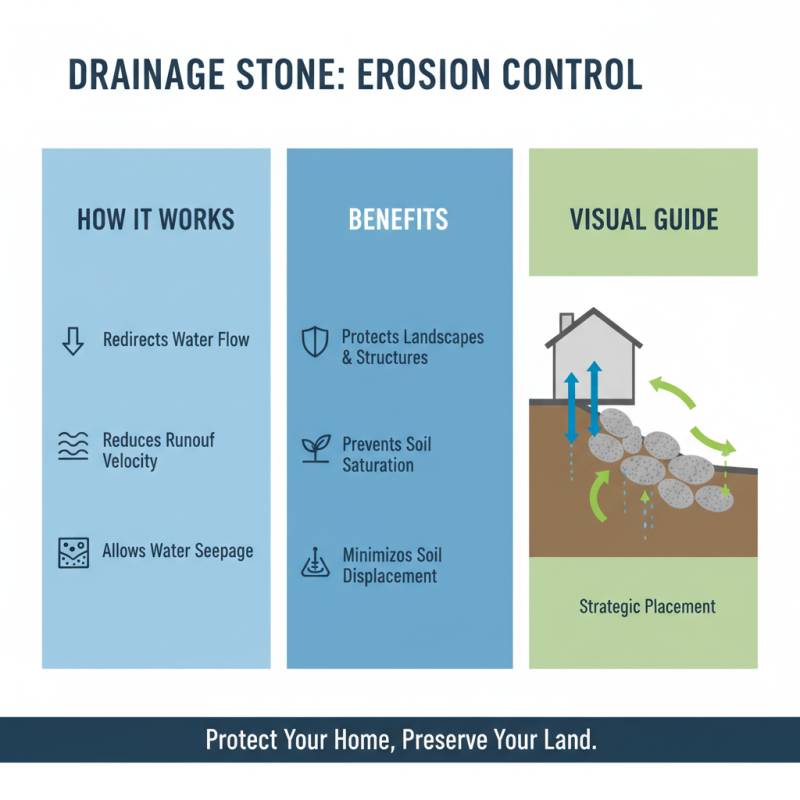
Drainage stone plays a vital role in managing soil erosion. It helps redirect water flow and reduce runoff. By strategically placing stones, homeowners can protect their landscaping and structures. The gaps between the stones allow water to seep through, preventing soil saturation. Over time, this method reduces the risk of soil displacement.
Using drainage stone can be a simple yet effective approach to soil management. However, not every installation is perfect. Sometimes the placement may not consider natural water pathways. This can lead to areas of poor drainage and stagnant water. Regular monitoring is essential to ensure the system functions well. Adjustments might be necessary for effective erosion control, making it a learning process.
Implementing drainage stone requires some planning. The size, type, and placement of stones can greatly influence effectiveness. A deeper understanding of the local soil and water conditions will lead to better outcomes. Engaging with the landscape, homeowners can discover what works best for their unique settings. The journey of managing erosion with drainage stone involves both trial and error.
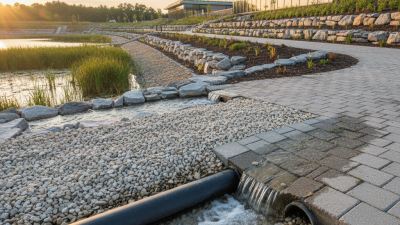
Drainage stone plays a critical role in garden and landscape design. It helps manage water effectively in various outdoor settings. In flower beds, drainage stone prevents excessive moisture around plant roots. This is vital for the health of many plants, especially in heavy rains. For patios, it promotes proper drainage. A well-drained surface reduces puddling and enhances the usability of outdoor spaces.
Integrating drainage stone into walkways adds both functionality and beauty. It provides a sturdy base while allowing water to flow freely. Aesthetically, it can complement natural stone elements in a yard. However, balance is crucial. Overusing stone can make areas feel barren. It’s essential to reflect on the design's overall impact. Mixing drainage stone with soil and plants can enhance visual appeal. Consider using smaller stones for a softer look. Observing the results will guide future landscaping choices.
Drainage stone plays a vital role in construction and foundation projects. This material provides excellent drainage, preventing water accumulation around foundations. According to the National Stone Sand & Gravel Association, proper drainage reduces the risk of water damage and structural failure by as much as 60%. Without drainage stone, excess moisture can lead to costly repairs.
In landscaping, drainage stone is essential for creating stable bases for structures. It can support walkways, patios, and retaining walls, ensuring durability. Additionally, using the right size and type of stone is crucial. Too small, and it may not drain effectively; too large, and it can create an uneven surface. Homeowners often overlook these details, leading to issues later on.
Choosing drainage stone may seem easy, but not all stones serve the same purpose. Some stones may offer better filtration properties than others. Misjudging the right application can result in flooding or inadequate support. Data from the American Concrete Institute highlights how improper material use can increase costs by up to 30% during a project. This underscores the need for careful selection and planning.
| Use Case | Description | Benefits |
|---|---|---|
| Foundation Drainage | Used to redirect water away from foundations to prevent water damage. | Protects foundations and reduces the risk of structural issues. |
| Landscape Drainage | Helps manage water flow in gardens and landscaping features. | Promotes healthy plant growth by preventing waterlogging. |
| French Drains | A trench filled with drainage stone that redirects surface water. | Effectively channels water away, mitigating erosion. |
| Driveway Base | Provides a stable base for driveways and parking areas. | Increases durability and prevents settling. |
| Erosion Control | Used on slopes to prevent soil erosion. | Maintains landscape integrity and reduces maintenance needs. |
| Retaining Walls | Used as backfill material for retaining walls to allow drainage. | Prevents pressure build-up behind walls, enhancing stability. |
| Pool Drainage | Prevents water accumulation around swimming pools. | Enhances safety by reducing slip hazards. |
| Water Gardens | Facilitates proper drainage in water feature installations. | Maintains healthy aquatic ecosystems. |
| Pathways and Walkways | Used to stabilize pathways and promote effective drainage. | Enhances accessibility and reduces mud accumulation. |
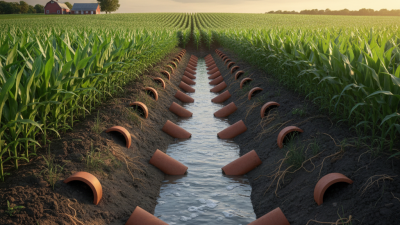
| Agricultural Fields | Improves drainage in farming operations to enhance crop yields. | Supports sustainable farming by preventing soil saturation. |